
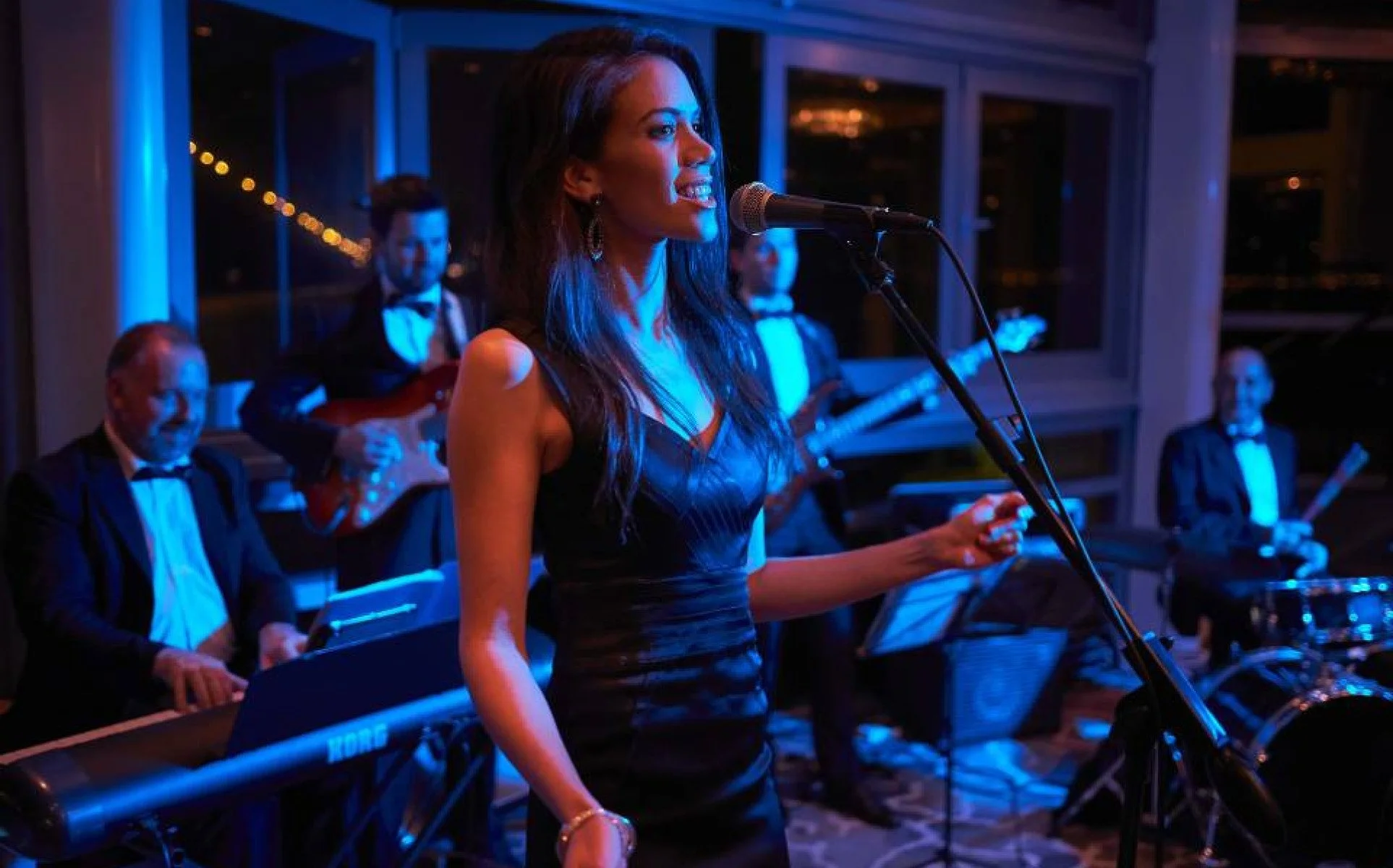
Some destinations are enjoyable because they offer beautiful scenery, while others become memorable because they create the right setting for shared experiences. Waiheke Island stands out because it does both. The landscape, the ferry approach, the slower pace, and the local cultural energy all combine to shape how people experience events there. That is why Waiheke Island live music feels different from a standard night out in a city. The music is not separated from the place. It is influenced by the place, framed by the place, and often made more memorable because of the place.
For visitors planning a jazz-focused weekend, understanding the island’s live-music atmosphere is useful long before the first set begins. A music event on Waiheke is not just about seeing performers on a stage. It is about how performance, movement, weather, audience mood, and local setting interact across the day. Even small details matter more than people expect. The time you arrive, the venue style you choose, the way you pace the day, and how much space you leave for scenic breaks can all shape whether the experience feels relaxed and rewarding or rushed and fragmented.
This article is designed for readers who want to understand why Waiheke’s music culture matters, how it influences festival weekends, and what kind of live-event atmosphere to expect on the island. Some readers may already know they want to attend a jazz event there. Others may be deciding whether Waiheke is worth choosing over a more conventional city-based music weekend. Some may simply want to understand why smaller island music scenes often create stronger emotional memories than larger and more crowded events. The answer usually comes down to atmosphere, scale, and the way a place helps people listen.
Live music on Waiheke is appealing because it often feels more integrated into the rhythm of a full day rather than isolated as a single evening activity. People travel for it, move through scenic surroundings between sets, talk about it over food or drinks, and remember not only the music but the setting in which they heard it. That is one of the reasons the island suits jazz and blues so well. These genres reward attention, mood, and place. On Waiheke, all three can work together naturally.
Why Live Music Matters on Waiheke Island
Live music matters on Waiheke because it gives visitors a reason to experience the island not only as a destination, but as a living cultural space. Many people first think of Waiheke in terms of scenery, wine, coastal air, and weekend escape energy. Those qualities are real, but live performance adds another dimension. Music creates a shared atmosphere that turns a beautiful setting into a memorable event environment. Instead of simply looking at the island, people begin moving through it with a sense of purpose and anticipation.
On a place like Waiheke, music can also change the emotional pace of a visit. A normal day trip may feel pleasant but loosely structured. A music-focused day or weekend has rhythm. There is a reason to arrive at a certain time, to move intentionally, to pay attention to venue mood, and to build the day around moments of listening rather than only sightseeing. That structure often improves the experience because it turns the island from a backdrop into part of the event itself.
For festival readers who want the broadest starting point before diving into details, the main Waiheke jazz hub is the natural place to begin. That homepage gives the wider context for how the festival theme, island setting, and travel planning fit together. It works especially well for visitors who are still deciding what kind of music weekend they want to build.
Another reason live music matters here is that it often feels more personal than anonymous. On smaller destinations, audience energy can feel more connected to the local atmosphere. Even when visitors make up a large part of the crowd, the setting still encourages a different kind of listening. The event may feel less mechanical and less rushed than in larger urban environments where venues, transport, and crowd movement dominate the mood. On Waiheke, music often feels woven into the day rather than inserted into it.
How Local Music Culture Shapes Festival Weekends
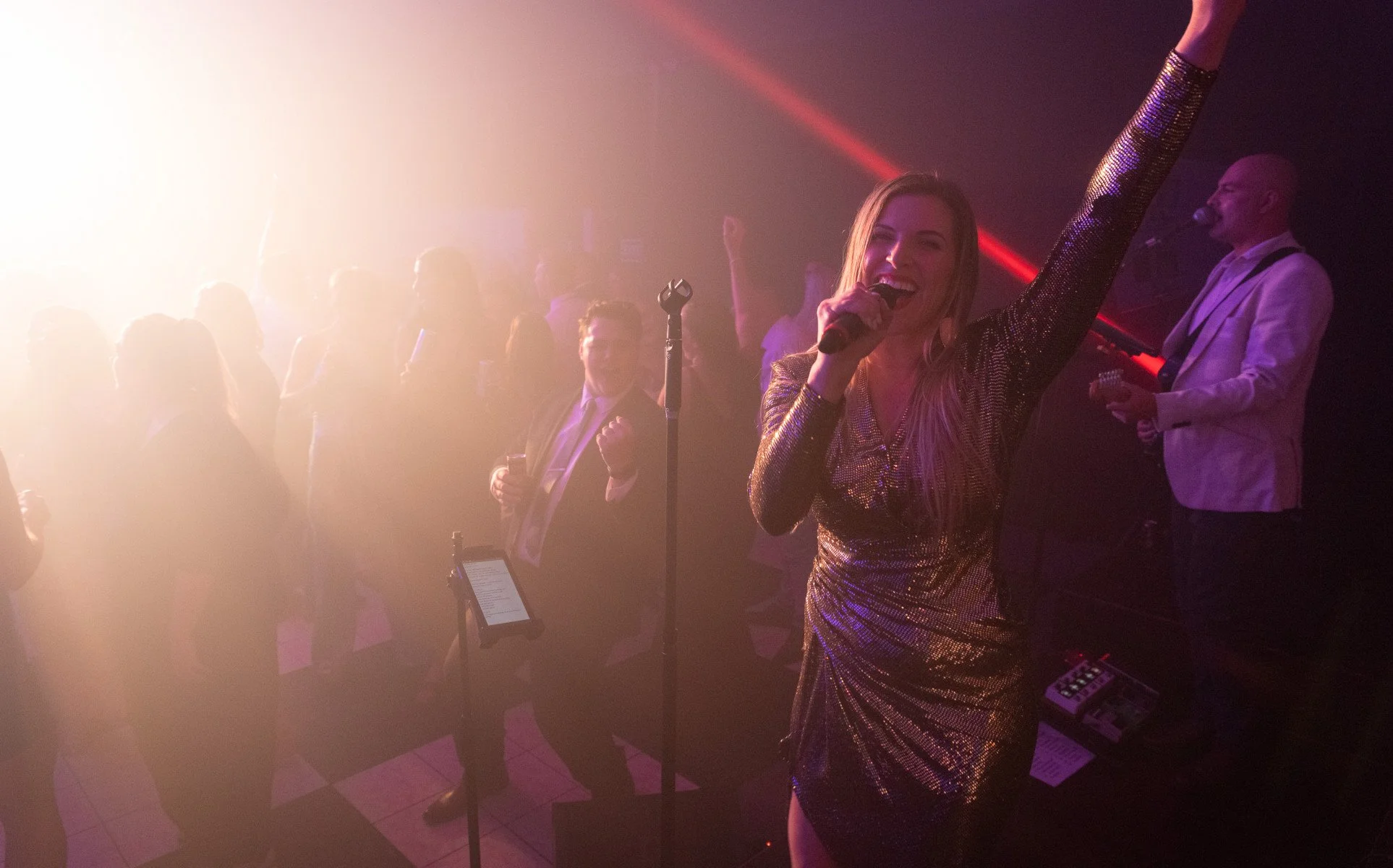
Every destination has a social rhythm, and local music culture plays a major role in shaping how that rhythm feels during event weekends. On Waiheke, the atmosphere often feels more relaxed, more scenic, and more intentional than the mood around bigger mainland music events. This matters because audience behavior, venue flow, and personal expectations all tend to shift in response to the setting. People are less likely to treat the day like a race and more likely to treat it like an experience to be absorbed.
Local music culture also shapes how visitors interpret the event itself. A festival does not exist in isolation. It is influenced by local hospitality, venue character, transport realities, and the sense that music belongs in the place rather than appearing there temporarily. That feeling can make even first-time visitors more comfortable. Instead of arriving at a generic event space, they arrive in an environment where place and performance seem connected.
Holiday timing adds another layer. A long weekend atmosphere usually changes crowd behavior, accommodation pressure, and transport demand. That is why readers planning around seasonal dates should also look at holiday-weekend event planning. Understanding how Easter or other peak travel periods affect the island helps visitors avoid preventable stress and enjoy the music with more freedom.
Another important point is that local music culture affects expectations. On Waiheke, visitors often come prepared for a blended experience: music, scenery, food, conversation, and movement across the day. That is different from a purely performance-driven city event where the whole purpose may be to enter a venue, see a set, and leave. The island encourages a more layered kind of participation, and that layered experience is often the reason people remember it so positively.
Types of Live Music Experiences Visitors Can Expect
One of the best things about music on Waiheke is the variety of environments in which people may hear it. The experience is not always defined by one kind of stage or one kind of crowd. Depending on the event format, visitors may encounter open-air performances, intimate rooms, winery-linked settings, daytime gatherings, and evening shows with very different emotional energy. This variety matters because it gives the weekend texture. It also means visitors can shape the experience around their own preferences instead of assuming every set will feel the same.
Outdoor performances often create a relaxed and social atmosphere. These are good for people who enjoy movement, conversation between moments, and the pleasure of music in a scenic environment. Outdoor settings can make jazz or blues feel especially accessible because the event seems less formal and more woven into the day. At the same time, weather and comfort matter more in these settings, which is why preparation becomes part of the enjoyment.
Smaller indoor venues often create a different kind of value. They reward attention, make musical details easier to notice, and help first-time listeners understand the communication between performers. In a more intimate room, a solo can feel more immediate, the rhythm section more vivid, and the audience’s shared concentration more noticeable. For readers who want a wider guide to getting the most from these moments, festival enjoyment basics offers useful practical advice on pacing, listening, and choosing which sets to prioritize.
Daytime and evening performances also feel different. Daytime sets often belong to the social and scenic part of the weekend. Evening sets may feel more immersive, more concentrated, or more emotionally intense depending on the setting and the performers. Visitors who understand this difference often build better schedules because they avoid treating every performance slot as interchangeable. A festival weekend becomes better when the mood of the set matches the energy of the hour.
What Makes Island Music Feel Different from City Events
The biggest difference between island music and city music is not the genre. It is the pace around the performance. In cities, people often arrive quickly, leave quickly, and fit music into already busy surroundings. The event competes with traffic, noise, urgency, and too many other choices. On an island, especially one associated with leisure and escape, the surrounding rhythm is different. The journey itself becomes part of the event, and that changes how people listen.
Island events often feel more intentional because visitors have chosen to cross over, stay longer, or plan around the day more carefully. That extra effort can improve attention. People are not just passing by after work. They have made the event part of a destination experience. This often creates a crowd that is more present and more willing to settle into the atmosphere rather than constantly thinking about the next obligation.
Scale also matters. Waiheke events may feel smaller in physical and emotional scale than large urban festivals. That can be a major advantage for people who want quality of experience rather than maximum intensity. Smaller-feeling events often make it easier to hear subtle details, move through the day calmly, and feel that the setting actually suits the music.
Scenery changes perception too. A coastal landscape, ferry movement, open air, and slower transitions between places all influence memory. People may remember not only a strong solo or a favorite set, but the weather, the light, the view, and the walk or ride that took them there. In this kind of environment, music becomes attached to moments more deeply. That is one reason island music weekends often feel richer than their schedule alone would suggest.
How to Build a Music-Focused Waiheke Stay
Planning a music-focused stay on Waiheke starts with deciding what kind of weekend you actually want. Some visitors want maximum live music with very little downtime. Others want a more balanced experience in which performances are the center of the weekend but not the only thing that matters. There is no single correct model, but the stay should be designed with the island’s rhythm in mind. If you overpack the schedule, the island’s advantages begin to disappear. If you underplan, you may miss the performances or settings that would have mattered most to you.
A good music-focused stay usually has three qualities: clear priorities, realistic movement time, and room for atmosphere. Clear priorities mean knowing which sets or types of venues matter most to you. Realistic movement time means not assuming that every transition will be effortless. Room for atmosphere means allowing enough unstructured time to enjoy where you are rather than treating the weekend like a sequence of tasks.
For readers who want help shaping a broader and calmer schedule, the guide to a slow-travel island weekend route is the best next step. It focuses on how to build a full Waiheke weekend that balances music, movement, scenery, and breathing room. That is especially useful for visitors who want the festival or live-music experience to feel memorable rather than rushed.
Accommodation choice also affects the rhythm of the stay. Staying overnight often creates much more freedom than trying to manage the entire day as a return trip, especially during busy periods. It allows visitors to enjoy evening sets more comfortably and reduces the pressure to keep checking the clock. For some people, that extra flexibility is what turns the weekend from merely enjoyable into genuinely special.
Why Venue Character Matters So Much
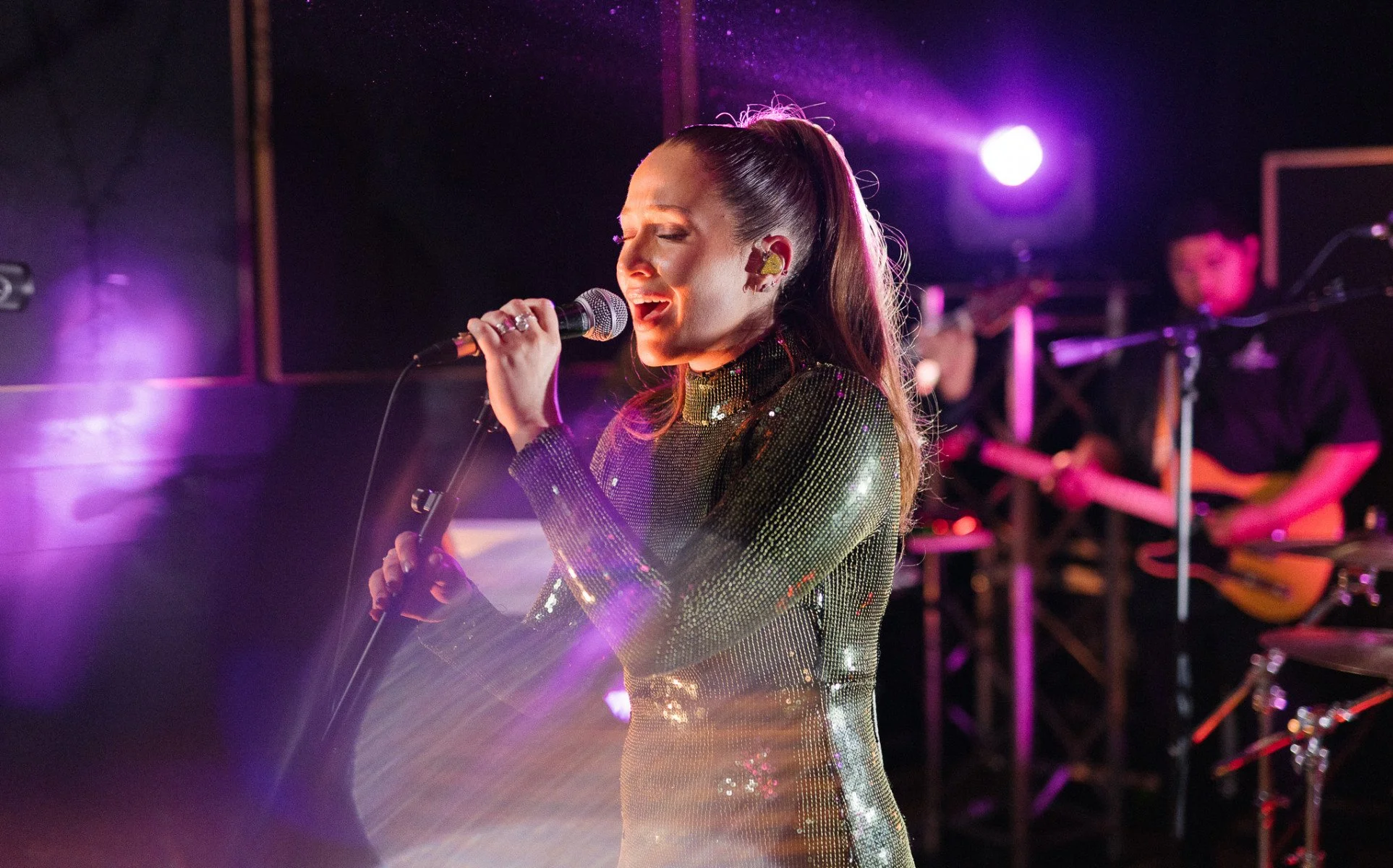
When people talk about live music, they often focus on performers first, but venue character shapes how performance is received just as strongly as the lineup does. This is especially true in destination settings like Waiheke. A performance in an open-air environment creates one emotional effect. A smaller room creates another. A venue connected to food, views, or a particular social atmosphere changes the energy again. The music remains important, but the context affects how people absorb it.
Venue character matters because jazz and blues are not only heard; they are felt through room energy, audience focus, sound intimacy, and the distance between performer and listener. A smaller setting may highlight nuance and emotional depth. A more social outdoor setting may emphasize warmth, groove, and ease. Neither is automatically better, but each creates a different kind of memory.
This is also why first-time visitors should not choose venues only by prestige or assumptions. The best venue for one person may be the wrong choice for another. Someone new to live jazz may prefer a setting that feels open and welcoming rather than highly formal. A more experienced listener may seek out intimacy and concentration. Knowing this in advance helps visitors make smarter choices and enjoy the island’s music culture more fully.
How Live Music Connects Visitors to Place
One of the deepest values of destination-based music is that it helps people feel connected to a place in a way ordinary sightseeing often does not. Music creates emotional memory quickly. A view can be beautiful, but a view linked to a performance becomes much more vivid. A trip can be pleasant, but a trip linked to a song, a stage moment, or the atmosphere of a crowd often becomes much more memorable later.
That is one reason Waiheke’s music identity matters even beyond the headline festival concept. Live music helps visitors feel that they have participated in the place rather than simply visited it. The island becomes associated with sound, conversation, and emotion rather than only scenery. That creates stronger memories and often gives people a reason to return.
For travelers, this also means music can change how the whole weekend feels. It adds structure, anticipation, and a kind of emotional anchor. Instead of drifting loosely through activities, the visitor begins to build the day around meaningful moments. This makes the destination feel more alive and makes the experience feel more complete.
FAQ
Is Waiheke good for live music outside the main festival?
Yes. Even beyond one major event, Waiheke’s appeal as a live-music destination comes from the combination of venue character, island atmosphere, and the way visitors often pair music with a wider leisure experience.
Are smaller venues better for jazz beginners?
Often yes. Smaller venues can make it easier to hear musical details, notice communication between performers, and feel more connected to the performance. However, some beginners may also enjoy relaxed outdoor settings if they want a less formal introduction.
How should visitors plan around multiple performances?
The best approach is usually to prioritize a few key performances and leave realistic time for movement, meals, rest, and weather adjustments. Trying to maximize every slot often makes the overall experience less enjoyable.
What makes island music feel different from city events?
The pace, scenery, travel rhythm, and smaller-feeling atmosphere all contribute. Island events often feel more intentional and less rushed, which can make live music more memorable and more enjoyable.
Can non-jazz experts still enjoy Waiheke’s music atmosphere?
Absolutely. A destination like Waiheke often makes live music feel more accessible because the setting itself creates comfort, curiosity, and a more relaxed audience experience.