
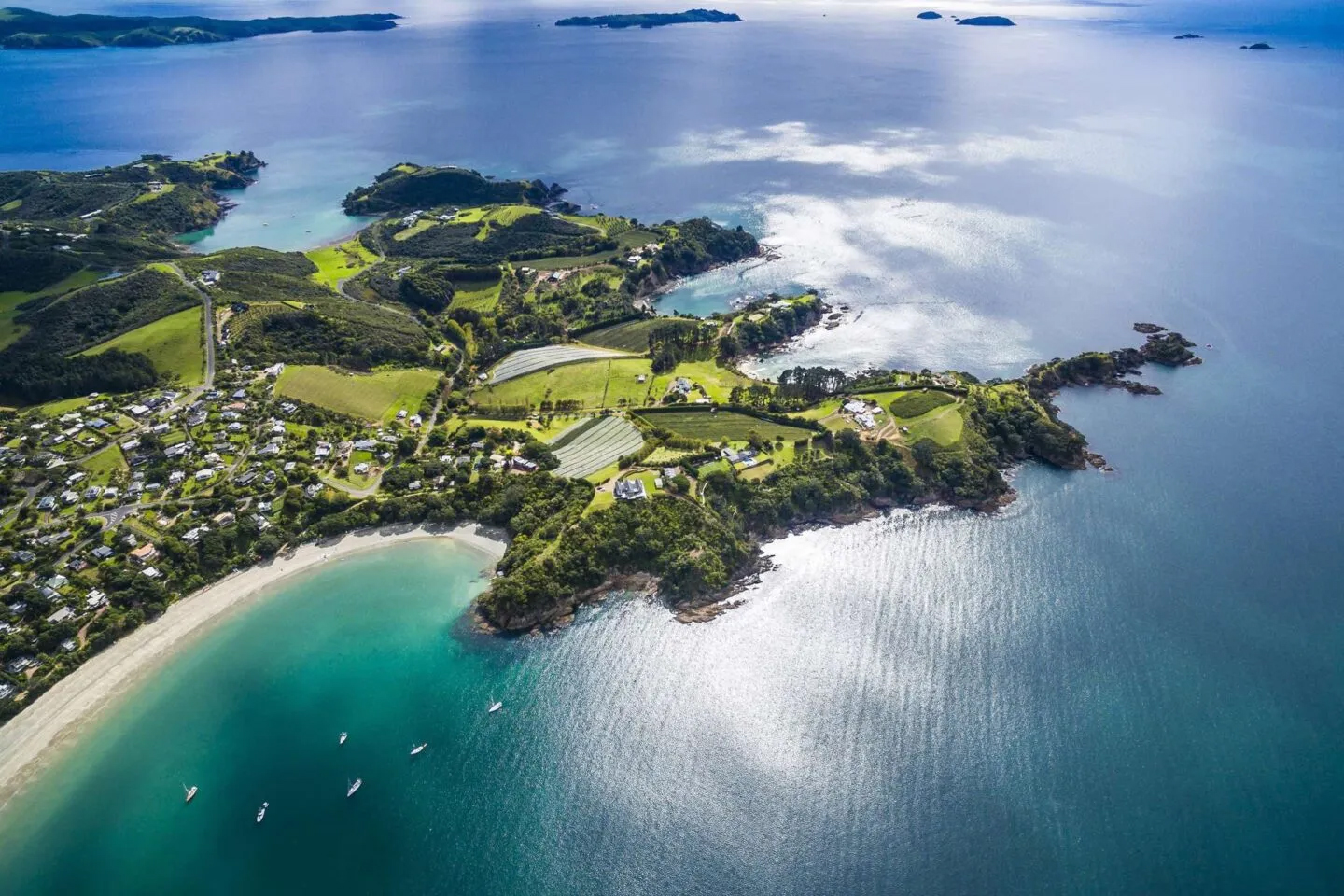
An Easter weekend on Waiheke Island can feel like one of the most rewarding short escapes in New Zealand when it is planned well. The mix of coastal scenery, holiday atmosphere, slower island rhythm, and live music potential makes the island especially attractive during this period. For many visitors, however, the difference between a memorable Easter trip and a stressful one usually comes down to planning. Long weekends bring more movement, more demand, and more pressure on transport and accommodation. That does not make Waiheke harder to enjoy. It simply means that a smart visitor treats the weekend as something to shape carefully rather than leaving every detail to chance.
The appeal of Easter on Waiheke is easy to understand. People want a break that feels festive without becoming exhausting. They want scenery, food, movement, social energy, and enough structure to feel that the trip had purpose. If jazz, blues, or live music are part of the attraction, the weekend becomes even stronger because music gives the island stay a natural rhythm. Instead of wandering without a plan, visitors can build the trip around selected performances, scenic pauses, ferry timing, and the kind of moments that feel both cultural and relaxing.
This article is designed for readers who want a practical answer to a simple question: how do you plan a better Easter weekend on Waiheke Island without overcomplicating it? Some readers may be attending primarily for a jazz-focused event. Others may be interested in a wider holiday experience where music is one important part of the plan. Some may be deciding whether a day trip is enough, while others are considering a two-night or three-night stay. No matter the version, the same basic principle applies: a better weekend comes from balance. The island is not best enjoyed as a frantic checklist. It is best enjoyed as a sequence of good decisions that leave enough space for atmosphere, movement, and enjoyment.
When visitors underestimate Easter demand, they often create problems that affect the whole trip. Transport becomes more stressful, accommodation options narrow quickly, and simple decisions such as what to wear, what to carry, and when to move between places suddenly matter more than expected. This guide helps prevent those mistakes. It focuses on timing, structure, comfort, and the practical details that make a holiday weekend feel smoother. A well-planned Waiheke Easter trip should feel calm, music-friendly, and worth remembering long after the ferry ride home.
Why Easter Is a Popular Time to Visit Waiheke
Easter is naturally attractive because it creates a rare combination of free time and seasonal atmosphere. Many people are already looking for a weekend that feels different from ordinary routines, and Waiheke offers exactly that kind of change. The island feels close enough for a realistic escape but distinct enough to feel like a proper break. Ferry travel adds a sense of transition, the landscape creates immediate mood, and the holiday calendar gives people permission to slow down and enjoy the experience more fully.
Another reason Easter works so well is that it encourages a fuller kind of visit. People are often more willing to stay longer, explore more, and shape the weekend around a central theme. For some, that theme may be live music. For others, it may be food, scenery, or simply the pleasure of spending time in a place that moves differently from the city. The strongest Waiheke Easter weekends usually combine several of these things instead of chasing just one.
If your first goal is to understand the wider context of the festival-style experience before planning details, the best place to start is the official-style festival home guide. That overview helps frame the whole weekend by showing how music, travel, atmosphere, and island planning connect. It is especially useful for readers who want to understand not only the logistics of Easter travel, but also the kind of weekend they are actually trying to create.
Easter also brings a more social tone to destinations like Waiheke. There is often more visible movement, more shared energy, and more reason to think about bookings early. This can make the island feel lively and festive, but it also means that visitors benefit from making decisions sooner rather than later. A holiday weekend is more rewarding when the basics are already secured and the visitor is free to enjoy the experience instead of solving avoidable problems on the move.
When to Book Transport and Accommodation
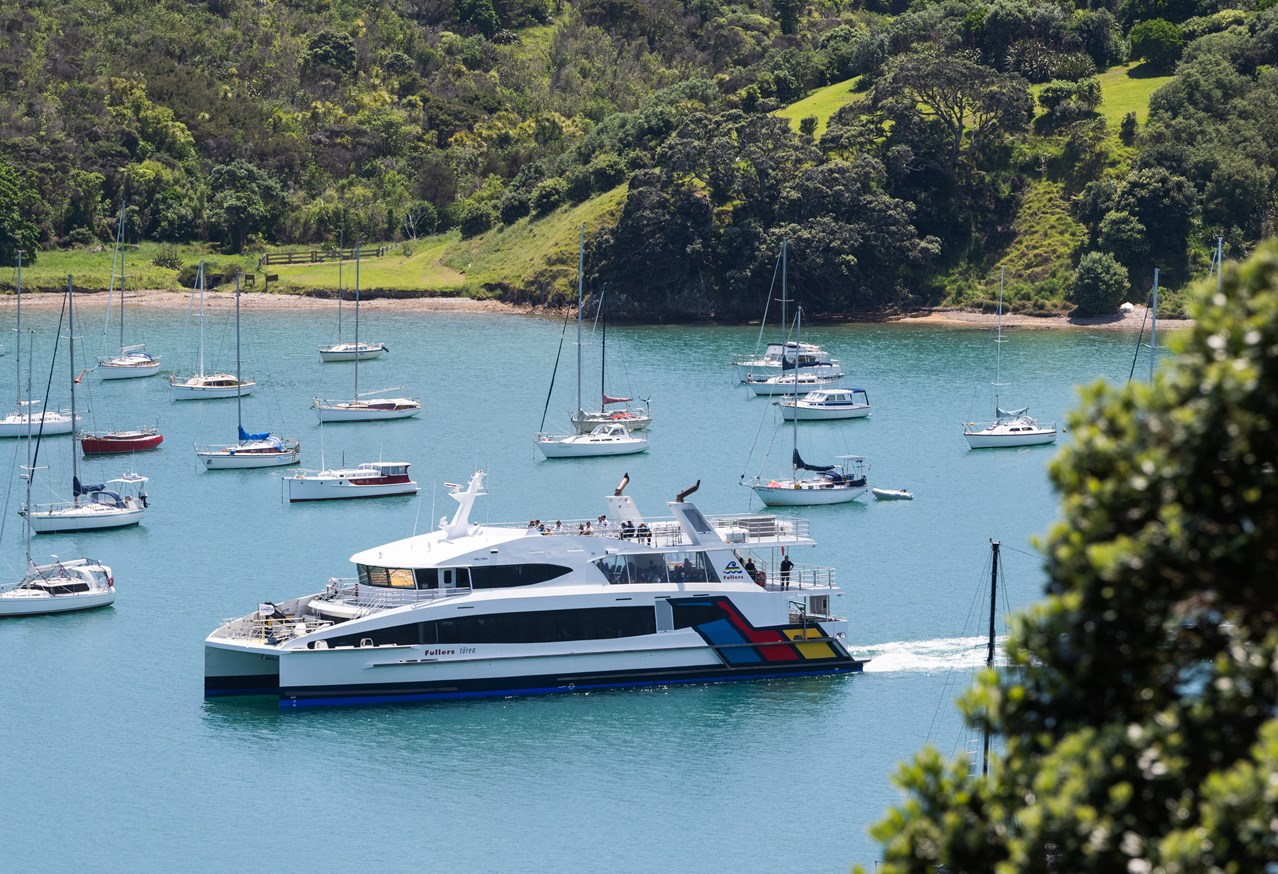
One of the most important Easter decisions is knowing what to book first. During a holiday period, transport and accommodation can quickly become the difference between a relaxed weekend and a stressful one. Visitors who leave these details too late often end up making the rest of the trip harder than necessary. They may settle for awkward timing, rush through the day to match transport windows, or choose accommodation that does not really support the kind of weekend they wanted in the first place.
Transport matters because Waiheke is not just another suburb where you can improvise your timing endlessly. The journey to and from the island is part of the trip itself, and ferry schedules, queues, crowding, and timing pressure all shape how the weekend feels. A music-oriented visit becomes much easier when transport is treated as a central part of the plan rather than an afterthought. The goal is not only to arrive. The goal is to arrive at a time that supports the day you want to have.
Accommodation matters for similar reasons. If you are planning more than a short daytime visit, where you stay affects your energy, flexibility, and evening comfort. A well-chosen overnight option gives you freedom to stay longer at performances, move more casually, and enjoy the island after the busiest daytime rush has passed. A poor accommodation decision may force unnecessary movement, rushed timing, or a constant feeling that the schedule is controlling the trip instead of supporting it.
To understand how place and event atmosphere connect before making these decisions, it helps to read where island music culture lives. That article gives useful context for why Waiheke’s live-music energy feels different and how that influences the way visitors should think about timing, venue choice, and the overall rhythm of a holiday stay.
In practical terms, the smartest sequence is usually this: decide whether you are doing a day trip or an overnight visit, secure your transport around the key parts of the day, then confirm accommodation if needed, and only after that begin filling in the optional parts of the schedule. This approach protects the structure of the weekend first and allows everything else to fit more naturally around it.
How to Structure a Relaxed Festival Weekend
A relaxed festival weekend does not happen automatically just because the destination is beautiful. It has to be designed. The easiest mistake to make is assuming that because Waiheke feels relaxed, the whole trip will somehow organize itself. In reality, Easter weekends reward visitors who build enough structure to support comfort, while still leaving room for discovery and pause. The best schedule is usually not the most ambitious one. It is the one that feels sustainable from beginning to end.
For some visitors, a day-trip structure may be enough. In that case, the day should have a clear center: perhaps one main performance window, one meal stop, and enough movement time to avoid turning the trip into a chase against the ferry clock. This version works best for people who are happy with a focused island taste rather than a deep weekend immersion. It can be highly enjoyable if expectations stay realistic.
For others, the better option is a two-night or long-weekend stay. That model allows a more natural pace. Arrival day can be lighter and more scenic. The main music day can be built around one or two anchor experiences rather than packed too tightly. Departure day can remain useful without feeling rushed. This format often suits couples, groups of friends, and anyone who wants to enjoy the island properly rather than simply visiting it quickly.
Comfort plays a major role here. Easter weather can shift, and a weekend that includes outdoor movement, ferry travel, and live events is much easier to enjoy when clothing and packing decisions are smart. For practical help with that side of the trip, continue with weather-smart festival dressing. It is especially useful for visitors who want to feel prepared without carrying too much or dressing for the wrong conditions.
A relaxed festival weekend also depends on choosing your priorities honestly. Not every performance needs to be attended. Not every scenic stop needs to be added. Not every meal needs to become a major event. Once you know what matters most to you, the whole weekend becomes easier to shape. That clarity is what allows spontaneity to feel enjoyable rather than stressful.
Common Easter Weekend Planning Mistakes
One of the most common mistakes is overestimating how much can comfortably fit into a single holiday day. Visitors often look at a map or a festival-style schedule and imagine that every movement will be fast and easy. But ferry transitions, queue time, walking, venue changes, food breaks, and weather adjustments all take more energy than expected. A weekend becomes better when visitors accept that every good plan needs breathing room.
Another common mistake is leaving key bookings too late. A long weekend is not the best time to assume that perfect transport or ideal accommodation will still be available casually. Once these basics become difficult, people often start compromising in ways that damage the rest of the trip. They may book early ferries that create stress, leave too late and miss the feeling of ease, or choose poor-fitting accommodation simply because options are disappearing.
A third mistake is forgetting that comfort affects mood. A badly packed bag, unsuitable shoes, poor layering, or carrying too much during a day of movement can make an otherwise attractive itinerary feel tiring. This is especially true on scenic festival weekends, where people often want to move, pause, sit outdoors, and change pace across the day.
Another error is building the weekend around movement rather than experience. Some visitors become so focused on seeing more, changing venues, or optimizing every hour that they lose the slower island atmosphere that made Waiheke appealing in the first place. A better approach is to protect a few key moments and let the rest of the day support them naturally. Music weekends are often most enjoyable when they feel composed rather than crammed.
What to Prioritize if You Want Music and Island Time
If your goal is to enjoy both live music and Waiheke itself, the most important skill is prioritization. You need to know which parts of the weekend are non-negotiable and which parts are flexible. For some visitors, the central priority is one major performance or venue. For others, it is the broader atmosphere of having music as part of an island holiday rather than the need to hear every possible set. Once you know which kind of visitor you are, the rest becomes easier.
The smartest way to combine music and island time is to choose a few anchor points rather than building a rigid minute-by-minute schedule. An anchor point may be a main performance, a meal, a scenic pause, or a travel window that shapes the rest of the day. Around those anchors, leave room for natural movement. This makes the weekend feel more fluid and prevents the constant pressure of trying to force the island into a timetable that belongs more to a city than a coastal escape.
Practical logistics are part of this too. Bags, layers, ferry timing, phone battery, weather preparation, and the simple question of how much to carry all affect whether the weekend feels smooth. If you want a more detailed guide to those issues, read practical ferry-and-bag planning. That article focuses on the small but important decisions that make music weekends much easier to manage.
When music and island time are balanced well, the weekend becomes more than a series of activities. It becomes an experience with rhythm. There is anticipation before a set, release afterward, movement between moods, and enough calm space to actually remember where you were and how it felt. That is usually what makes a destination music trip feel worth the effort.
Day Trip or Overnight Stay: Which Is Better?
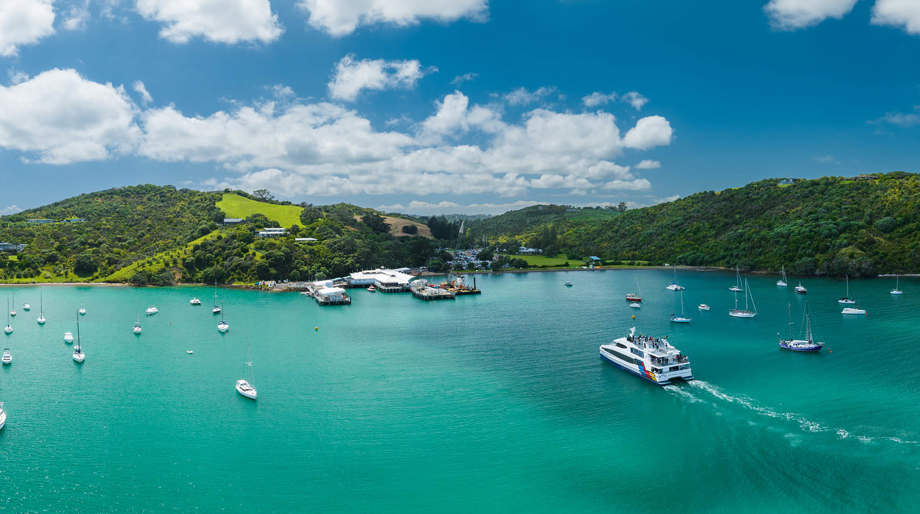
This question depends less on money or distance than on the kind of weekend you want. A day trip can work very well for people who are organized, focused, and happy to build the day around one strong musical center. It is often the better option for visitors who want a clear and concentrated experience without the added cost or planning of staying overnight. If you travel with good timing and realistic expectations, a day trip can feel smooth and memorable.
An overnight stay, however, changes the emotional quality of the trip. It removes the pressure to treat the ferry schedule as the dominant force behind every decision. It allows more flexibility in how late you stay, how slowly you move, and how much of the island atmosphere you absorb. It also makes room for a better transition between daytime and evening energy, which can be especially valuable during a music-centered weekend.
For many visitors, the real question is not simply whether staying overnight is “worth it,” but whether the weekend they want is possible without it. If you want both proper island time and proper music time, one night or two nights usually creates a more satisfying experience. If you want a quick taste with minimal complexity, a day trip may be enough. The right answer depends on whether you want efficiency or immersion.
How Weather Changes the Experience
Weather matters on Waiheke more than many first-time visitors expect because so much of the emotional experience depends on moving through open space comfortably. Wind, sun, light rain, and cooler evening air all affect how the day feels. A schedule that looks easy in perfect conditions may feel much heavier if you are underdressed, overdressed, or carrying the wrong things.
This does not mean weather should discourage the trip. It simply means that planning for Waiheke should include practical weather awareness. Good layers, reasonable footwear, and a realistic sense of coastal variation help protect the mood of the whole weekend. Once comfort is protected, weather becomes part of the atmosphere rather than a constant interruption.
Weather also influences crowd behavior and venue appeal. On cooler or more changeable days, some spaces may feel more inviting than others. This is another reason to avoid overpacking the schedule. Flexibility is easier when the day has room to absorb changing conditions without collapsing.
FAQ
Is a day trip enough for a festival-style Easter visit to Waiheke?
It can be enough if the day is planned around one clear musical priority and realistic travel timing. A day trip works best when visitors accept that they are choosing a focused experience rather than trying to fit the entire island into one visit.
Should you stay overnight on Waiheke during Easter weekend?
For many people, yes. An overnight stay usually makes the weekend feel more relaxed because it reduces ferry pressure, allows better pacing, and creates more room for both music and island atmosphere.
What should be booked first for Easter weekend?
Transport and accommodation should usually be secured first because they shape the whole structure of the trip. Once those are settled, it becomes much easier to build the rest of the weekend intelligently.
What is the biggest Easter planning mistake visitors make?
The biggest mistake is often trying to do too much with too little time. Overplanning movement, underestimating holiday demand, and leaving no room for comfort or weather adjustment can make the weekend far less enjoyable than it should be.
Can a Waiheke Easter trip be enjoyable even if you are not a jazz expert?
Absolutely. A music-oriented Easter weekend on Waiheke can appeal to people who simply enjoy live performance, destination atmosphere, and a balanced holiday rhythm. Expertise is not required to enjoy the setting and the experience.