
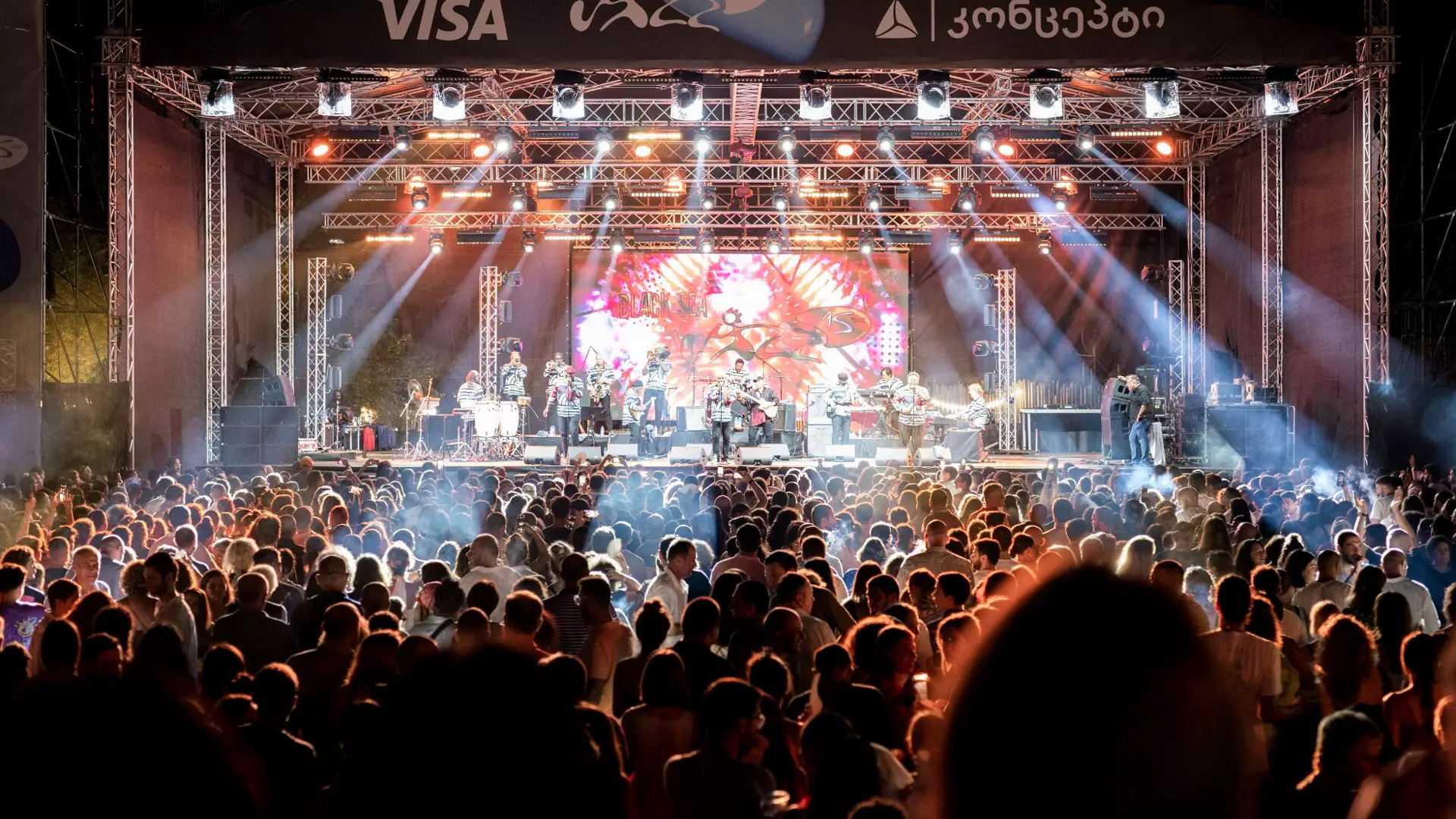
A jazz festival can be one of the most rewarding live-music experiences you can have, but it works best when you approach it differently from a loud, nonstop mainstream festival. Jazz is often built on detail: the shape of a solo, the way the rhythm section communicates, the surprise of improvisation, and the quiet moments that make the big moments land harder. That is why learning how to enjoy a jazz festival is less about “doing everything” and more about building a weekend that supports listening, comfort, pacing, and discovery.
Many first-time visitors make the same mistakes. They try to attend too many sets, they underestimate how much movement and waiting time drains energy, they do not plan for changing weather, and they treat performances like background sound while focusing on everything else. None of those habits help. A jazz festival becomes great when you protect your attention and your comfort, choose sets with a clear strategy, and allow the weekend to have rhythm rather than constant rush.
This guide is designed for real festival-goers, not for people who want theoretical advice. You will learn how to set expectations, choose sets intelligently, listen in a way that makes jazz more rewarding, avoid festival fatigue, handle food and movement without ruining your schedule, and behave in ways that improve the experience for you and everyone around you. Some readers will already love jazz. Others will be curious beginners. Some will be traveling specifically for a destination festival. All of them benefit from the same core idea: a better weekend comes from focus, not from overload.
A jazz festival is also a social experience. You may attend with friends, as a couple, or even solo. The best strategy is not identical for everyone. Some people want a relaxed and scenic weekend with a few key performances. Others want a music-heavy plan with careful transitions. But in both cases, the biggest gains come from planning your energy and your attention. This article helps you do exactly that, so your weekend feels enjoyable, not exhausting.
Start with the Right Expectations
The easiest way to enjoy a jazz festival more is to adjust expectations before you arrive. A jazz event is not always about constant high volume or nonstop spectacle. In many settings, it is about listening culture. That means the audience is part of the performance environment. People often pay closer attention, respond differently to solos, and treat quieter moments as important rather than as empty space that must be filled with chatter.
When first-time visitors arrive expecting the energy of a large pop festival, they may feel confused at first. They may wonder why the crowd is quieter or why applause appears at different moments. Once you understand that jazz often rewards attention, the atmosphere begins to make sense. The quieter tone is not lack of excitement. It is a different form of engagement.
Another expectation shift is about pace. Jazz festivals are often best enjoyed as a weekend with rhythm. You do not need to be “on” the entire day. You need to plan for peaks and rests. If you treat every hour as equally important, you may burn out before the sets that would have mattered most.
If you want a broader orientation point before applying the advice below, the best place to begin is the festival blog front page. That page explains the overall weekend approach, the way island atmosphere changes the festival experience, and how the main guides connect for readers building a smarter plan.
When expectations are realistic, everything else becomes easier. You stop trying to “win” the festival. Instead, you start trying to experience it well. That shift is the foundation of enjoyment.
How to Choose Which Sets to Prioritize
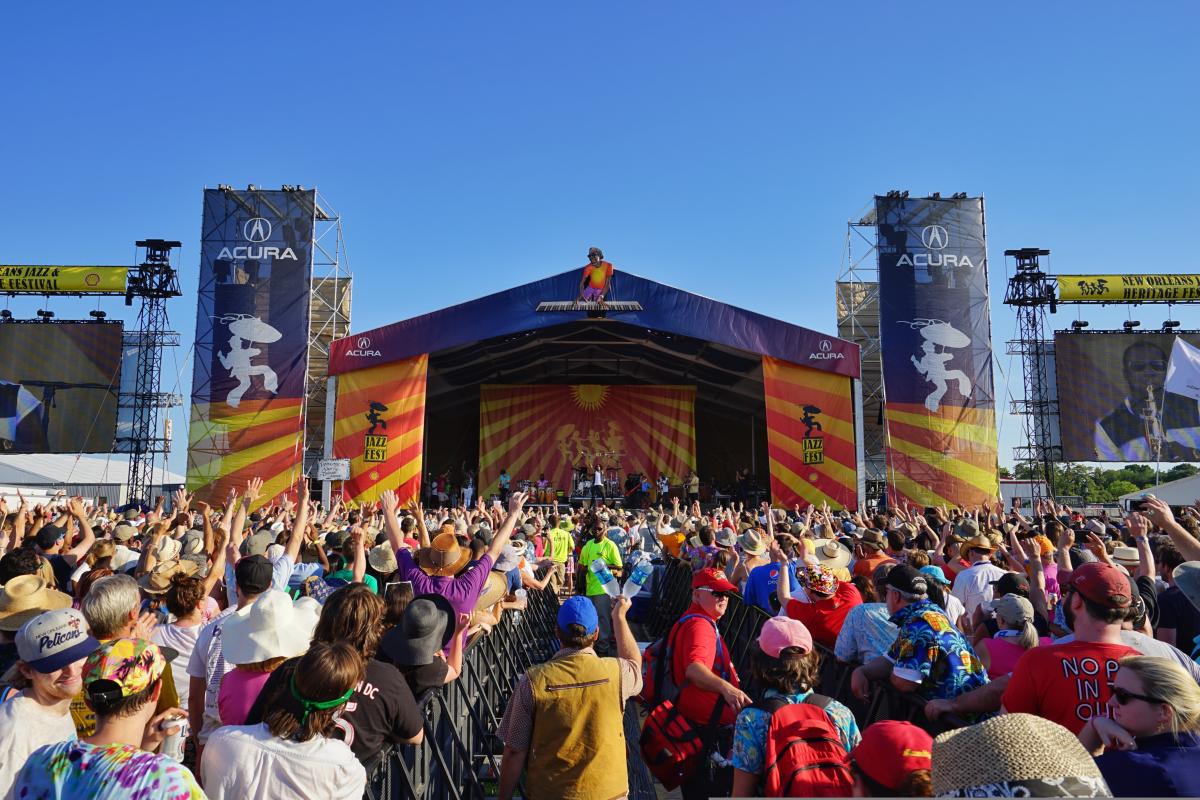
One of the most important festival skills is choosing. Even when you have enough time to attend many sets, you still have limited attention and energy. A schedule that looks exciting on paper can become messy in practice if you try to attend everything. The best strategy is to choose a few anchor sets and then build the rest of the day around them.
Start by deciding what you care about most: a headliner, a specific instrument, a vocal set, a more intimate venue, a more social outdoor vibe, or simply a discovery experience where you see an artist you do not know yet. Once you know that, you can prioritize with less stress. Your schedule becomes a deliberate design instead of a desperate attempt to do everything.
Also consider how different sets feel at different times of day. Daytime shows often work best for relaxed listening, social atmosphere, and lighter pacing. Evening shows can be more immersive and focused. If you pack your evening with too many transitions, you lose the strength of the most atmospheric part of the day. In many cases, one strong evening set is better than three rushed ones.
Genre can help you choose too. Some visitors prefer blues because the groove feels immediate. Others prefer jazz because the interaction feels alive. Some want both. If you are still unsure what you are most likely to enjoy, read clear guide to jazz vs blues. It helps you understand the listening differences so you can choose sets that match your taste and mood.
Finally, be honest about logistics. Movement time, queues, weather shifts, and food breaks all matter. The best festival-goers choose sets they can actually attend comfortably, not sets they theoretically could attend if nothing went wrong. A realistic plan creates better memories than an overambitious one.
Listening Tips That Make Live Jazz More Rewarding
You do not need to “understand” jazz in an academic way to enjoy it. But you do need a few simple listening habits. The easiest approach is to treat the band like a conversation rather than like a single performance happening in front of you. In jazz, the musicians often respond to one another in real time. If you listen for that response, the music becomes more engaging very quickly.
Start with the rhythm section. Listen for what the bass and drums are doing. They are not just keeping time. They are shaping the feel of the whole performance. The bass often anchors the harmonic movement and pulse, while the drums shape energy, accents, and momentum. When you track the rhythm section for a minute, the solos above it begin to feel more meaningful because you can hear what they are playing against.
Next, listen for the moment the solo begins. Often the band shifts slightly: the dynamic changes, the phrasing opens up, and the soloist starts building a musical story. A solo is rarely only a display of skill. It is usually a development of ideas. If you follow just one instrument closely for the length of one solo, you will often enjoy the music more than if you try to take everything in at once.
Also watch for “call and response.” A horn line may be answered by piano. A drum accent may be echoed by the soloist. A phrase may return in a new shape. These moments are part of the pleasure of live jazz. They make the performance feel unique to that night, not like a fixed reproduction.
If you want a simpler step-by-step guide designed specifically for new listeners, go to make the most of your first set. That article is built for beginners who want confidence, simple focus points, and a calmer way to enjoy improvisation without overthinking it.
How to Pace Food, Rest, and Movement Between Sets
Festival fatigue is real, and it often has nothing to do with whether the music is good. It comes from walking too much, standing too long, forgetting water, carrying too much, eating at the wrong times, and leaving no recovery space between sets. A jazz festival becomes better when you treat your energy as part of your plan.
Build in buffers. Do not schedule back-to-back sets with no margin for movement, queues, or spontaneous changes. Even a small delay can domino into a stressful day if every hour is packed. Buffer time also allows you to recover mentally. Jazz listening is rewarding, but focused listening is still effort. Without small breaks, attention quality drops and the later sets feel less exciting even if the performances are excellent.
Food planning matters too. A heavy meal right before an important set may make you sleepy. Skipping food entirely may make you irritable and less able to enjoy anything. The best approach is often light and steady: enough food to feel stable, enough water to stay comfortable, and timing that does not force you to choose between eating and hearing the performance you came for.
Weather and comfort shape energy more than most people expect. If you are underdressed, overdressed, or wearing the wrong footwear, you will spend mental energy on discomfort instead of music. That is why practical outfit planning improves festival enjoyment directly. For clear guidance, read comfort-first outdoor style advice.
Finally, accept that doing less can mean enjoying more. Many experienced festival-goers intentionally attend fewer sets so they can be fully present for the ones they choose. Jazz rewards presence. A well-paced day usually creates better memories than an overcrowded one.
How to Be a Better Audience Member
One of the most underrated ways to enjoy a jazz festival more is to behave in a way that supports the show. That does not mean being stiff or nervous. It means understanding that the audience environment is part of what makes the performance enjoyable. A room where people listen well often produces better music because musicians feel the attention and respond to it. A room where people talk loudly, move constantly, and treat the set like background noise usually lowers the quality of the shared experience for everyone.
The easiest rule is simple: keep conversation for breaks between songs or sets, not during the most intimate parts of the performance. If you need to move, try to do it between tunes. Keep phone brightness low if you must check it, and avoid blocking views in small venues. Small respectful habits make a big difference in a listening-focused environment.
Applause is another area where new visitors sometimes feel unsure. Many jazz audiences clap after strong solos as well as at the end of a tune. If you see other audience members applauding after a solo, it is usually appropriate to join. If the room is very quiet and focused, you can follow the general energy of the space. The goal is not to guess perfectly every time. It is to respect the performance environment.
If you want a clear guide to these habits, use good audience manners at shows. It covers phone use, timing, applause, movement, and the small decisions that help jazz events feel better for performers and listeners alike.
How to Handle Discovery Sets Without Feeling Lost
One of the best parts of a jazz festival is discovery: hearing an artist you did not expect to love, finding a style you did not know existed, or becoming interested in an instrument you previously ignored. But discovery sets can also feel confusing for beginners if the music is unfamiliar. The key is to use a different mindset. Instead of asking, “Do I like this?” immediately, ask, “What is this set trying to do?”
Listen for mood first. Is the set energetic, reflective, playful, intense, groove-focused, or lyrical? Once you identify the mood, it becomes easier to appreciate the performance even if the style is unfamiliar. Then listen for structure. Where do solos begin and end? How does the band communicate transitions? How does the rhythm section shape the energy? These questions turn uncertainty into curiosity.
It also helps to attend discovery sets when you are not exhausted. If you are already tired, unfamiliar music may feel harder than it really is. A good plan is to place one discovery set earlier in the day or earlier in the evening before your attention drops. That way you can enjoy the surprise rather than feel overwhelmed by it.
After the set, note what you liked. Was it the vocalist? The groove? The drummer? The atmosphere of the venue? That detail helps you choose better later performances and makes the festival feel more personal. Over time, your taste becomes clearer and your enjoyment grows.
Common Jazz Festival Mistakes to Avoid
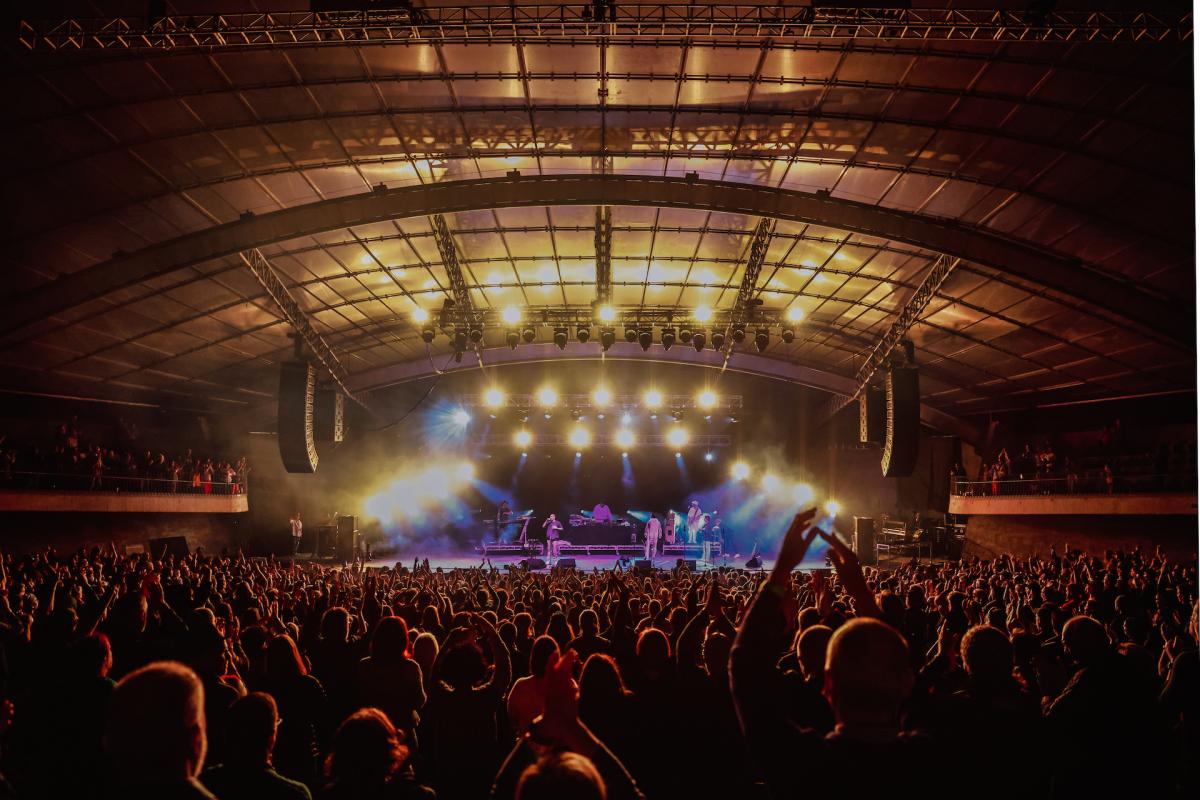
One of the biggest mistakes is treating the schedule like a competition. If you measure success by number of sets attended, you may end up rushing through the weekend without actually absorbing what made it special. A better metric is how many moments you genuinely enjoyed and remember.
Another mistake is ignoring movement time. Even a short walk, queue, or transport shift can become stressful if you have built a schedule with no margins. Always leave room for reality. The most enjoyable festival plans are the ones that survive small disruptions without collapsing.
Comfort mistakes are also common: wrong shoes, no layers, carrying too much, skipping water, or relying on last-minute solutions. These problems seem minor until they steal attention from the music. Practical preparation improves enjoyment more than many people expect.
Finally, treating performances like background sound is a mistake at jazz events because the genre rewards attention. If you want a social weekend, that is fine, but choose the right kinds of sets and venues for that. For more intimate listening environments, give the music space to work. You may be surprised how much more you enjoy it when you actually listen.
FAQ
Do you need to know jazz before attending a jazz festival?
No. Many people enjoy their first jazz festival without prior knowledge. A few simple listening habits—following the rhythm section, noticing solos, and watching interaction—can make the experience much more rewarding.
Is it better to see fewer sets and enjoy them fully?
Often yes. Jazz festivals reward attention and presence, so a smaller number of well-chosen sets can create better memories than trying to attend everything and rushing constantly.
How can first-time visitors avoid feeling overwhelmed?
Choose a few anchor sets, build in buffer time, plan comfort and weather layers, and allow the weekend to have rhythm instead of nonstop movement. A structured but flexible plan usually feels best.
Should I prioritize headliners or discovery sets?
A balanced mix often works best. Headliners provide a strong anchor and confidence, while discovery sets can become the most memorable surprises of the weekend.
What should I focus on during my first live jazz set?
Start with the groove and the rhythm section, then follow one soloist at a time. Notice how the band responds. You do not need to analyze everything—just stay curious and present.
Is it okay to clap after solos?
In many jazz settings, yes. If the room applauds after a solo, it is usually appropriate to join. If the space is very quiet and intimate, follow the general audience energy.
How important is comfort for a festival weekend?
Very important. The better your comfort—shoes, layers, water, pacing—the more attention you can give the music. Comfort is not separate from enjoyment; it supports it directly.