
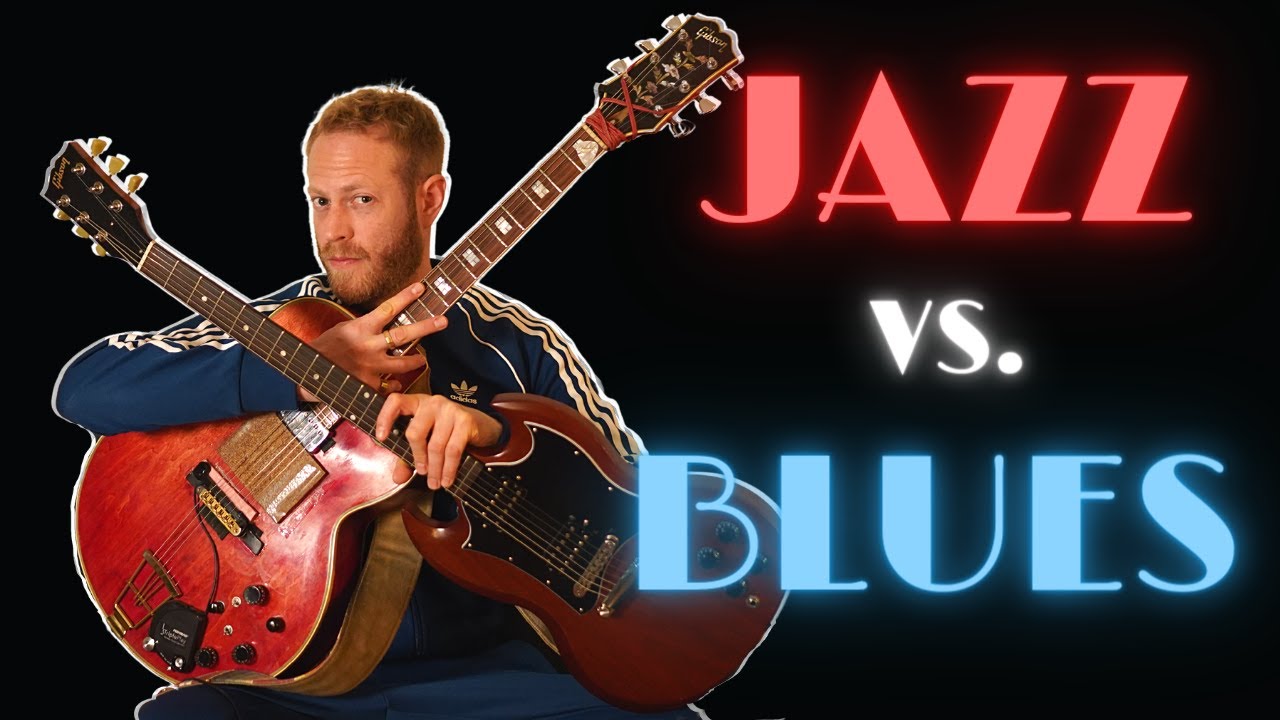
Many people discover jazz and blues together. They see the two genres mentioned on the same posters, hear them grouped in the same festival descriptions, and notice that musicians, venues, and audiences often speak about them as if they naturally belong side by side. That instinct is not wrong. Jazz and blues are deeply connected, historically and emotionally. They share roots, they influence one another constantly, and they often meet in live performance in ways that make the boundary between them feel flexible rather than rigid. At the same time, they are not the same music. Understanding the jazz and blues difference can make live listening far more rewarding, especially for readers who are preparing for a festival or trying to feel more confident in front of a live band.
The good news is that you do not need formal music training to hear the difference. You do not need to memorize technical terms, know every era, or study decades of recordings before attending a live event. What you do need is a practical way of listening. Once you understand what each genre tends to emphasize, the music becomes much easier to recognize and much more enjoyable to follow. Blues often speaks through groove, repetition, emotional directness, and strong lyrical or instrumental expression. Jazz often opens the door to more harmonic movement, more interplay between musicians, and more freedom in how a performance develops in the moment. Those are broad patterns rather than strict rules, but they give beginners a useful place to start.
This article is written for readers who want clear, real-world guidance rather than an academic lecture. Some people reading this may be curious festival-goers who simply want to understand what they are hearing. Others may already enjoy one genre more than the other and want words for the difference they sense but cannot yet explain. Some may be complete beginners who like live music in general and want a simple framework that makes jazz and blues feel less mysterious. All of those readers have one thing in common: they will enjoy live performance more if they know what to listen for.
Once you start hearing the difference, you also begin hearing the relationship. Jazz and blues are not rivals. They are neighbors with shared history, shared feeling, and endless crossover. That is one reason festivals and live events pair them so naturally. The listener gets both contrast and continuity: one style may feel more open and exploratory, while the other feels more rooted and immediate, but both can speak powerfully in the same weekend. By the end of this guide, you should have a much clearer sense of how to recognize each genre, where they overlap, and how to enjoy both with more confidence.
Why New Festival Visitors Ask This Question
One of the first questions many casual listeners ask before attending a jazz-and-blues event is simple: what is the actual difference between the two? They know the names. They may even have favorite songs or performances. But they do not always know what separates one genre from the other in live performance. That uncertainty is completely normal. Festival promotion often places jazz and blues next to each other because they share audiences, emotional range, and cultural history. For beginners, that can create the impression that they are almost interchangeable.
The confusion also comes from the fact that many musicians draw from both traditions. A blues-influenced jazz player may use phrasing that sounds deeply rooted in blues feeling. A blues band may include solos or harmonic color that feel jazz-adjacent. A singer may move comfortably between both worlds in the same set. These overlaps are part of what makes live music so rich, but they also make it harder for new listeners to identify what they are hearing unless someone explains the basics clearly.
Another reason people ask this question is that jazz sometimes carries an intimidating reputation. Some new listeners assume jazz is highly intellectual, overly complex, or only enjoyable to trained ears. Blues, by contrast, is often seen as more direct and emotionally immediate. While those stereotypes are incomplete, they influence how beginners approach both genres. Learning the difference helps remove that intimidation. It shows that each style has its own appeal and that both can be enjoyed without needing to become an expert first.
If you are still building your overall picture of the festival-style experience before diving deeper into genre recognition, it helps to return to the Waiheke jazz overview page as your main reference point. That broader guide explains how the event atmosphere, island setting, and music-focused weekend experience fit together. Once you have that context, it becomes easier to place jazz and blues inside the kind of live environment where most readers will actually hear them.
The goal of this article is not to force a rigid definition every time one song sounds slightly different from another. The goal is to help you hear tendencies, moods, structures, and performance habits that make each genre feel distinct. Once those patterns become familiar, your listening becomes much more active and much more satisfying.
What Defines Blues in Simple Terms
If you had to describe blues in one broad sentence, you might say that it is a style built on emotional directness, groove, expressive phrasing, and a strong sense of musical grounding. Blues often feels rooted. Even when it becomes powerful, dramatic, loud, or highly personal, it usually keeps a clear center that listeners can follow. There is often a direct emotional pull in blues that makes the music feel immediate rather than abstract.
One of the easiest ways to recognize blues is to notice how much the music relies on repetition with feeling. A phrase may return, but each return carries slightly different weight, tone, or emotional emphasis. A singer may bend a line in a way that feels raw or intimate. A guitarist may repeat a figure that becomes more intense each time. In blues, repetition is rarely boring when it is done well. It becomes a way of deepening expression rather than simply restating the same idea.
Blues is also strongly connected to groove. Even when the tempo is slow and reflective, there is usually a clear pulse or emotional drag that gives the music bodily presence. You can feel where it lives. The rhythm section often supports that grounded feeling in a very direct way. This makes blues particularly accessible for new listeners because the emotional direction of the performance is often easier to follow. You are less likely to wonder what the music is trying to say. Blues usually tells you clearly, even if the details of phrasing or harmony are sophisticated.
Vocals play an especially important role in many blues traditions, though instrumental blues can be just as powerful. When vocals are present, they often carry themes of longing, hardship, resilience, desire, wit, travel, memory, or emotional survival. Even when the lyrics are simple, the delivery often carries enormous expressive weight. In live settings, that expressive force is one of the reasons blues can connect so quickly with an audience.
Another useful clue is that blues often gives the listener a sense of emotional arrival very early. The first few bars may already tell you what kind of atmosphere you are entering. The music may become more intense, but the emotional center is usually established quickly. This makes blues especially inviting for first-time festival visitors who want to feel connected right away.
What Defines Jazz in Simple Terms
Jazz is harder to describe in a single sentence because one of its defining qualities is openness. Still, for beginners, the simplest practical description is this: jazz is a style that often emphasizes improvisation, interaction between musicians, flexible development, and a wider range of harmonic and rhythmic possibilities. Where blues often feels emotionally immediate and grounded from the start, jazz often invites the listener into a conversation that develops as it unfolds.
One of the most important features of jazz is improvisation. This does not mean the music is random. It means musicians are often creating, reshaping, and responding in real time. A melody may begin clearly, but then the players move beyond it. A solo may take the tune into a new emotional or rhythmic direction. The band may respond to one another moment by moment instead of simply executing a fixed arrangement. This responsive quality is one of the things that makes live jazz so exciting.
Jazz also tends to place strong value on musical interaction. In many jazz settings, the performance does not feel like one person singing while others simply support. Instead, it feels like a shared structure where each musician contributes ideas. The piano may comment on the horn line, the bass may shift the mood subtly, and the drums may respond conversationally rather than mechanically. Once you notice this, jazz starts feeling less like a mysterious style and more like a live dialogue.
Harmony is another part of what gives jazz its character. Without getting too technical, jazz often moves through richer or more surprising harmonic colors than blues does in its most traditional forms. This can make jazz feel more exploratory, more spacious, or at times more unpredictable. For some beginners that unpredictability is what makes jazz intimidating at first, but it is also what makes it rewarding. You are not always being led in the most obvious direction. You are being invited to follow discovery in real time.
If you want more practical listening help after finishing this article, the best next step is beginner ear-training for jazz. That guide breaks down how to listen to small ensembles, improvisation, and group interaction with much more confidence. It is especially useful if you already suspect that jazz is interesting but still feel slightly unsure about how to enter the music comfortably.
Jazz can be energetic, lyrical, smooth, wild, elegant, playful, or highly intense. It does not sound only one way. What connects many of its forms is the feeling that the music is alive in the moment and that the musicians are shaping it together rather than simply reproducing something fixed.
Where Jazz and Blues Overlap
Understanding the difference between jazz and blues becomes easier when you also understand their overlap. If you ignore the overlap, the comparison becomes too mechanical. If you ignore the difference, the genres blur together too much. The truth is that both things are happening at once: they are distinct, and they are deeply connected.
Historically, the blues has shaped jazz from the beginning. Blues feeling, blues phrasing, blues scales, and blues-based expression all appear throughout jazz history. Even when jazz becomes harmonically rich or structurally adventurous, it may still draw emotional force from blues language. Many great jazz musicians sound deeply blues-inflected in their phrasing even when the composition itself is not a straightforward blues form. This is part of why the two genres often feel related even when their structures differ.
Performance energy is another place where they overlap. Both styles can be emotionally intense, rhythmically compelling, and highly expressive in live settings. Both can include powerful solos. Both can create intimate or explosive audience responses. Both can be deeply moving without requiring the listener to decode every technical detail. That is one reason a weekend that includes both genres can feel coherent rather than fragmented.
The overlap is also clear in repertoire choices and festival programming. A performer may begin with a blues-inflected groove and then move into more jazz-oriented improvisation. Another artist may play a jazz standard with such earthy phrasing that the emotional effect feels close to blues. These crossover zones are not accidents. They are one of the richest parts of live listening because they show how genres speak to each other instead of living in separate boxes.
Still, overlap should not erase distinction. Shared roots do not mean identical branches. The blues often remains more structurally direct and emotionally centered in a specific kind of way, while jazz often opens into wider harmonic and interactive space. Hearing where the line softens is part of the pleasure. It teaches the listener that genres are living traditions, not just textbook definitions.
Rhythm, Groove, and Feel: One of the Clearest Differences
If you are trying to tell jazz and blues apart in a live setting, one of the fastest ways is to focus on rhythm and feel. Blues often announces its feel clearly. Even if the song is slow, gritty, or emotionally heavy, there is usually a grounded pulse that the audience can latch onto quickly. The groove tends to feel central rather than optional. It gives the performance a physical sense of placement.
Jazz can also groove deeply, but the groove may feel more elastic. The rhythm section may play with time, stretch phrasing, shift accents, or create forward motion in a way that feels less fixed and more conversational. That does not make jazz rhythm weak or vague. In strong jazz performance, the rhythmic intelligence can be remarkable. It simply means the listener may need to pay a little more attention to how the groove is being shaped rather than expecting it to land in the same place every time.
In blues, the emotional and rhythmic center often stay visible even as the intensity rises. In jazz, the center may become more dynamic. A soloist may float slightly across the beat, the drummer may answer in unexpected ways, or the whole group may create tension and release through rhythmic interplay instead of only through volume or repetition. Beginners sometimes find blues easier at first for exactly this reason: the body understands it immediately. Jazz may ask the ear to follow more detail before the body fully settles into what is happening.
None of this means that one genre is more advanced than the other in any simple sense. It means they organize energy differently. Blues often deepens a groove. Jazz often explores what can happen inside or around a groove. Once you hear that distinction, many live performances become much clearer.
Song Structure and Harmonic Movement
Another helpful difference appears in song structure. Blues often relies on forms that feel direct, repeating, and emotionally stable enough to support powerful expression within them. That repeated framework is part of what gives blues its strength. Because the structure is clear, the performer can focus on nuance, delivery, tension, and feeling without needing constant formal change.
Jazz often uses more varied harmonic movement and may open the door to more structural complexity. A tune may move through several sections, modulate, shift emotional color, or create room for extended improvisation that goes far beyond the original melody. This can make jazz feel more exploratory. The listener is not only following a mood; they are following development. The music may travel more visibly from one place to another before returning home.
That travel can be thrilling once you learn how to hear it. It also explains why some beginners initially connect more quickly with blues. Blues often says, “Here is the feeling; let us deepen it.” Jazz may say, “Here is the material; let us see where it can go.” Both approaches are rewarding. They simply reward different kinds of attention.
For festival visitors, this difference matters because it shapes how you listen to longer sets. A blues performance may pull you more deeply into groove and emotional weight over time. A jazz performance may ask you to enjoy movement, surprise, and interaction more actively. Knowing that in advance prevents disappointment. You are less likely to wonder why one performance feels rooted while another feels open-ended. You understand that each genre is doing something different with time and musical space.
How the Solo Functions in Blues and Jazz
Solos are one of the places where the difference becomes especially vivid. Both jazz and blues feature soloing, and both can produce unforgettable live moments through individual expression. But the role and feel of the solo often differ between the two traditions.
In blues, a solo often feels like an extension of the song’s emotional center. It may intensify the mood, answer the vocal line, deepen the groove, or sharpen the emotional message already present in the tune. The solo usually remains tied closely to the song’s core feeling. Even when it becomes flashy, its purpose often feels emotionally direct.
In jazz, a solo can still be deeply emotional, but it often also functions as exploration. The player may stretch the melody, alter rhythmic phrasing, reinterpret the harmony, or develop ideas that move well beyond the original statement of the tune. A jazz solo often feels like thinking out loud through sound. It is not necessarily trying to leave the song behind, but it may reveal hidden possibilities inside the song that were not obvious at first.
This is one of the reasons jazz rewards attentive listening. A solo is not just ornament. It is often where the performance becomes most alive. If you want to get more from that live experience overall, the article on better concert-listening habits is a useful next step. It helps festival visitors choose sets, listen with more focus, and get more satisfaction from the moments where musicians are really communicating in real time.
For beginners, a simple trick is to ask yourself: does this solo feel like it is digging deeper into the song’s emotional center, or does it feel like it is opening the song into a wider musical conversation? Either answer may still involve crossover, but the question itself can help you hear whether the performance is leaning more toward blues feeling or jazz expansion.
What to Listen for in Vocals
Vocals can also offer powerful clues. In blues, the vocal line often carries a strong sense of lived emotion. The singer may lean into phrasing that feels speech-like, pleading, playful, wounded, sly, or defiantly strong. The emotional communication is usually direct, even when the delivery is subtle. Blues vocals often make the lyric feel central, and even when the exact words are simple, the feeling inside them can be enormous.
Jazz vocals may also be emotional, but they often interact differently with phrasing, harmony, and rhythm. A jazz singer may treat the melody more flexibly, play more with timing, or use phrasing in a way that highlights elegance, swing, sophistication, intimacy, or interpretive freedom. In some jazz settings, the voice behaves almost like another instrument inside the ensemble rather than standing in front of it in the same way a blues vocalist might.
This does not mean all blues singing is raw and all jazz singing is polished. Both genres contain huge variety. But in practical listening terms, blues vocals often emphasize direct emotional storytelling, while jazz vocals often emphasize interpretive freedom and rhythmic nuance in a different way. Hearing that difference can make vocal-led sets much more readable for new listeners.
How to Recognize the Difference at a Live Show
Live performance is where many people finally understand the difference in a full-body way. Recordings help, but concerts make the emotional and social side of the music much clearer. In a live setting, one of the first things to notice is how the audience responds. Blues often creates an immediate response because the groove and emotional shape arrive quickly. Jazz may sometimes create a quieter concentration before applause comes in specific places, especially after a striking solo or an especially strong moment of interplay.
Another clue is where your attention goes naturally. In blues, you may find yourself drawn first to the singer, the guitar line, the groove, or the emotional pull of repeated phrases. In jazz, your ear may start moving between players more actively. You may notice the drummer answering a horn phrase, the bassist pushing the pulse, or the pianist opening harmonic color underneath the soloist. The performance often feels more like a network of interaction.
Watch how the band uses space. Blues often values space in a way that reinforces tension, groove, and direct feeling. Jazz may use space more conversationally, with players leaving room for one another, interrupting gently, or reshaping the momentum from inside the arrangement. Both can be subtle. Both can be powerful. But the kind of subtlety is often different.
Live context also includes audience behavior, and knowing how to respond helps you feel more comfortable. If you want to understand that side more clearly, especially in smaller venues or attentive listening environments, the guide to respectful crowd behavior tips is the best follow-up. It explains applause, timing, phone use, movement, and the audience habits that make jazz-oriented events more enjoyable for everyone.
A final practical clue is this: if the performance seems to invite you to settle deeply into one emotional current, you may be closer to blues. If it invites you to follow unfolding ideas, interaction, and improvisational discovery, you may be closer to jazz. Neither answer is absolute, but that listening habit is often enough to orient you in real time.
Why Festivals Pair Jazz and Blues So Naturally

Festivals pair jazz and blues because the combination makes artistic and audience sense. The genres share roots, emotional power, and cultural history, but they offer different textures across a weekend. Blues can bring directness, warmth, grit, and immediate groove. Jazz can bring openness, interplay, surprise, and wide expressive range. Together they create contrast without forcing the audience to jump between completely unrelated worlds.
This pairing also helps beginners. Someone who arrives more comfortable with blues may end up discovering that jazz is more inviting than expected. Someone who loves jazz may enjoy the grounding force of a strong blues performance in the middle of a more exploratory schedule. The weekend becomes more dynamic because listeners move between related but distinct types of musical energy.
For destination events in particular, the pairing works beautifully because it matches the variety of mood that a full weekend can hold. Daytime may suit one kind of groove; evening may suit another. Outdoor spaces may suit a certain kind of social blues energy; intimate late sets may suit concentrated jazz listening. The programming feels richer because the genres speak to one another while still offering their own pleasures.
A Simple Listening Exercise for Beginners
If you want to train your ear quickly before a live event, try this simple approach. When a performance begins, ask four questions. First, where does the emotional center appear: immediately and directly, or gradually through interaction? Second, how stable does the groove feel: deeply grounded or more elastic and conversational? Third, what is the solo doing: intensifying the mood already present, or exploring beyond it in a more open-ended way? Fourth, where is your ear going: toward one dominant expressive line, or across the band as a whole?
You do not need perfect answers. Even asking the questions improves listening. Over time, you will begin hearing patterns. You may notice that what you thought was “just all jazz” actually includes strong blues feeling. You may realize that what sounded like simple groove carries tremendous musical depth. You may also discover that your own taste includes both genres, just for different reasons and different moments.
This exercise is useful because it replaces vague uncertainty with active curiosity. Instead of asking, “Do I understand this?” you begin asking, “What is this performance inviting me to notice?” That shift makes live music far more enjoyable. It also helps remove the fear that you are listening incorrectly. Good listening is not about passing a test. It is about becoming more present and more aware of what the music is doing.
FAQ
Is blues easier for beginners to recognize?
Often yes. Blues usually presents its emotional center and groove more directly, which can make it easier for first-time listeners to connect quickly. That said, many forms of jazz are also highly accessible once you know what to listen for.
Does jazz always include improvisation?
Improvisation is one of jazz’s core features, but the amount of improvisation can vary widely depending on the style, ensemble, and arrangement. Some jazz performances are highly exploratory, while others stay closer to a recognizable melodic structure.
Why do festivals pair jazz and blues together?
They are paired because they share roots, influence one another deeply, and create a strong complementary experience across a live-music weekend. Blues offers direct groove and emotional force, while jazz often adds interaction, harmonic color, and improvisational openness.
Can a song sound like both jazz and blues at once?
Yes. Many performances sit in crossover territory. A jazz performance may be deeply blues-inflected, and a blues performance may include jazz-like harmonic or improvisational language. That overlap is part of what makes live listening so interesting.
What should I focus on first during a live set?
Start with groove, emotional tone, and the role of the solo. If the performance feels immediately grounded and emotionally direct, you may be hearing stronger blues traits. If it feels more conversational, exploratory, and ensemble-driven, you may be hearing stronger jazz traits.
Do I need music theory to hear the difference?
No. Theory can help, but practical listening is enough for most people. If you listen for groove, repetition, improvisation, emotional directness, and ensemble interaction, you can hear a great deal without formal training.
Which genre is better for a first festival experience?
Neither is universally better. Blues may feel easier for some beginners because of its immediate emotional pull, while jazz may become especially rewarding once the listener relaxes into its interactive and improvisational nature. A festival that includes both is often the ideal introduction.