
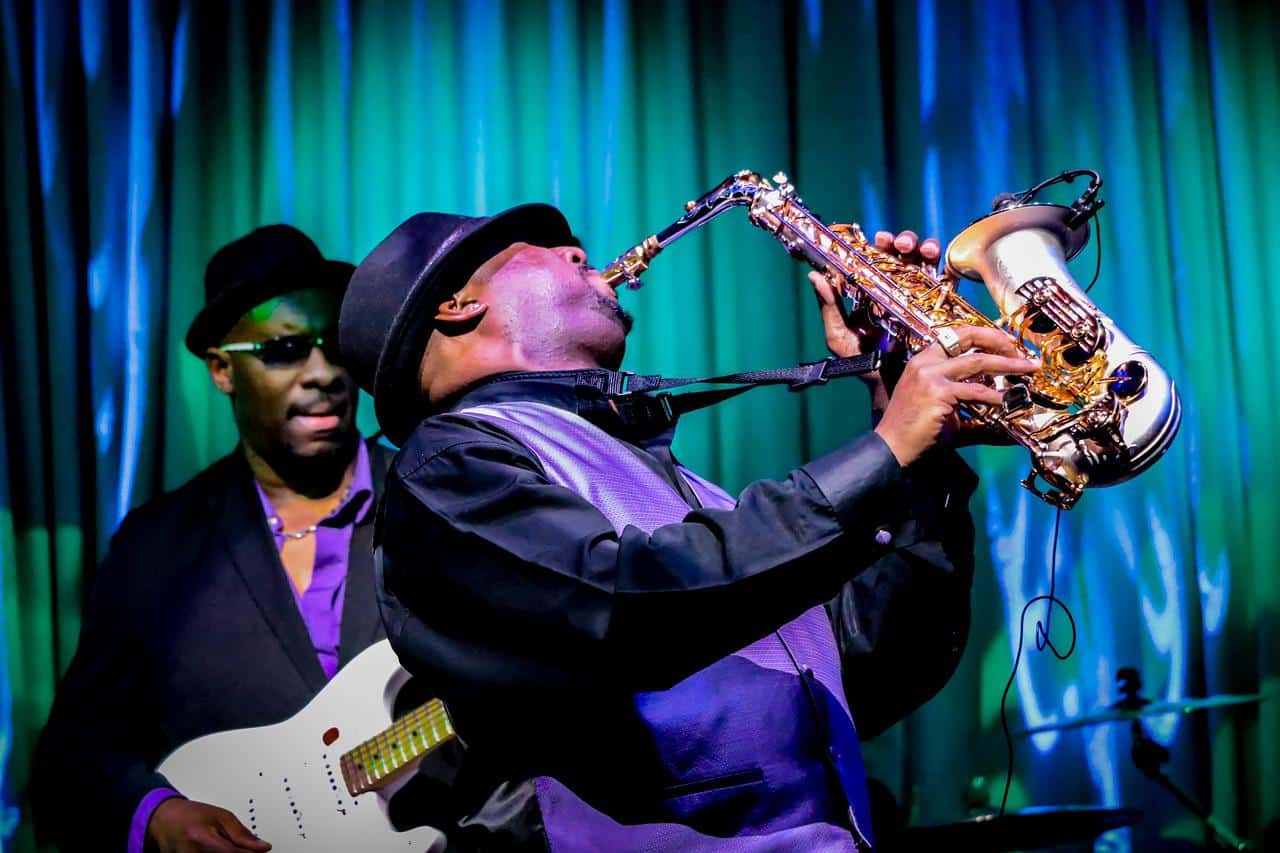
Many people love the idea of a jazz festival weekend, but they still feel a little unsure about one thing: what exactly do you do when the music starts? If you have never listened to jazz closely, or if your only exposure is a few famous songs, a live jazz performance can feel unfamiliar at first. The band may not follow a simple verse-chorus structure. Solos may last longer than you expect. The rhythm may feel different from mainstream pop. Musicians may appear to “go off” into their own direction and then return together perfectly. For beginners, this can be confusing in the first few minutes. The good news is that this is normal—and it is also why learning about live jazz for beginners can make your first festival sets dramatically more enjoyable.
The secret is not to memorize theory. It is to learn how to listen in a practical way. Jazz is often a conversation between musicians, built on a shared tune, a shared rhythm, and a shared sense of spontaneous creativity. Once you understand the basic roles in the band and the basic flow of a typical set, the music becomes much easier to follow. You stop wondering “am I missing something?” and you start enjoying what is actually happening in front of you.
This guide is written for real people attending real live events. It is for visitors who want to feel comfortable in a jazz venue, understand what they are hearing, and enjoy the performance without overthinking. You will learn what a jazz group is doing on stage, how to listen to improvisation, what to focus on when you feel lost, how to handle different kinds of venues, and how to build confidence in your own taste. By the end, you should be able to walk into a live set and feel relaxed rather than intimidated.
Jazz is not a puzzle you must solve to earn enjoyment. It is an experience you learn to enter. Once you learn a few listening habits, the genre becomes one of the most rewarding live-music forms because every performance is slightly different. The band is not only playing a song; it is creating a moment. That is why live jazz can become addictive in the best way: you feel the music being made in real time.
Why Live Jazz Can Feel Intimidating at First
Jazz can feel intimidating for beginners for a few common reasons. The first is structure. Many listeners are used to songs with clear, predictable patterns: a verse, a chorus, a bridge, then back to the chorus. Jazz often uses a different format. A tune may be stated clearly at the start, then the band moves into solos, then returns to the tune at the end. If you expect the chorus to return every 30 seconds, the performance may feel confusing because the music is moving in a different way.
The second reason is improvisation. Beginners sometimes think improvisation means chaos. In reality, improvisation in jazz is usually built on shared rules: chord progressions, rhythmic feel, key center, and a shared understanding of the tune. The soloist is free, but not random. The band is supporting, but not passive. That shared framework is what makes jazz exciting rather than messy. Once you know what is being shared, you can relax into the improvisation.
The third reason is audience culture. Many jazz audiences listen more quietly than audiences at louder mainstream shows. Beginners sometimes interpret that quietness as pressure—like they must “know how to behave.” The truth is simpler: the quietness helps everyone hear the details. It is not about judging newcomers. It is about shared listening. Once you see that, the atmosphere becomes welcoming rather than stressful.
If you want the broader context of how this beginner listening guide fits into the full festival experience, return to the home base for festival readers. That page connects planning, island vibe, live music culture, and beginner listening resources so you can choose the right reading path for your own weekend.
Finally, jazz can feel intimidating because the genre has a reputation problem. People talk about jazz as if it is “advanced” music. That framing scares beginners unnecessarily. The reality is that jazz includes many styles, from very accessible to very experimental. You do not have to love every kind of jazz. You only need to discover the parts that speak to you. This guide helps you do that with practical tools rather than vague encouragement.
What to Listen for in a Small Jazz Group
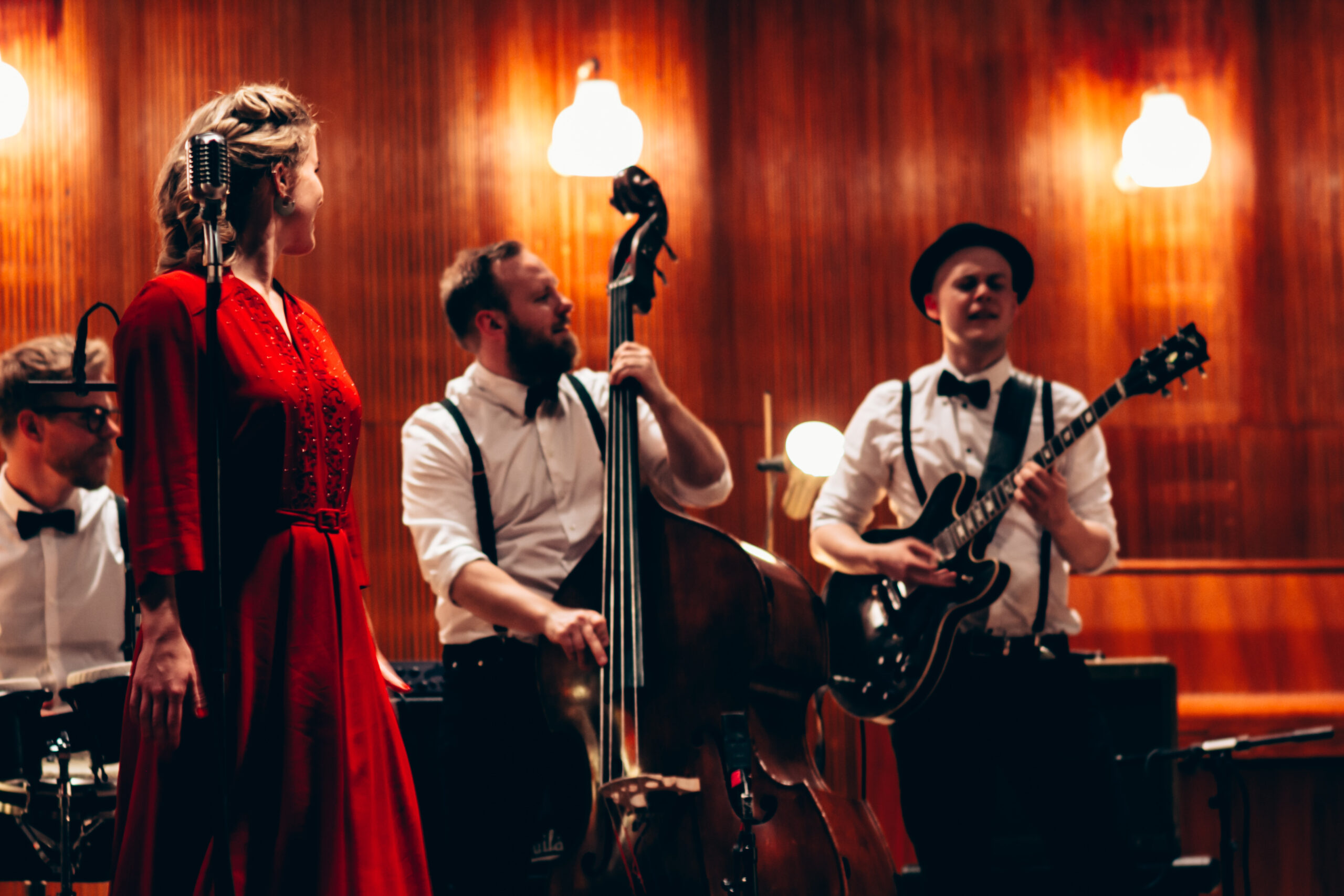
Most live jazz you encounter at festivals and venues is performed by small groups: trios, quartets, or quintets. The reason is practical: small groups make interaction clearer, improvisation more flexible, and the performance more conversational. For beginners, small groups are also easier to understand because you can hear each musician more clearly.
A useful first step is to understand the typical roles. The rhythm section often includes bass and drums, sometimes piano or guitar. The bass is frequently the anchor: it outlines the harmony, supports the pulse, and connects the chord movement so the soloist has a solid floor to stand on. The drums shape energy and texture: they keep time, but they also comment, push, soften, and respond. Piano or guitar often adds harmonic color and rhythm, creating the environment in which the solo lives.
The front line is often a horn (saxophone, trumpet, trombone) or a vocalist, sometimes more than one. The front-line player usually carries the melody at the start and then takes solos. However, in good jazz, the band is not split into “main character” and “support characters.” Everyone contributes. The pianist may answer the solo with a phrase. The drummer may accent a rhythmic idea. The bassist may change the feel subtly. This is part of what makes jazz feel alive.
For beginners, a powerful listening trick is to choose one instrument to follow for a minute. Do not try to hear everything at once. Follow the bass for 30 seconds. Then follow the drums. Then follow the soloist. When you do that, the performance becomes readable because you are hearing cause and effect. You hear how the rhythm section supports the solo, how the solo responds, and how the band shifts together. This is the easiest way to turn confusion into clarity.
Another simple clue is “call and response.” Jazz often feels like conversation because musicians respond to one another. A phrase appears, another musician answers it, and the idea develops. If you listen for that interaction, the set becomes more engaging even when you do not recognize the tune.
How to Enjoy Improvisation Without Overthinking It
Improvisation is the heart of jazz, and it becomes enjoyable when you stop treating it like a test. Beginners often think they must understand every note or know whether a solo is “good.” You do not. You only need to notice what the solo is doing emotionally and rhythmically. That is enough to enjoy it.
Start by listening for repetition and variation. A soloist often introduces a small idea, repeats it, then changes it slightly. That change might be rhythmic, melodic, or dynamic. Once you notice that process, you realize the solo is not a random stream of notes. It is a story built from ideas. Some stories are dramatic and fast. Others are lyrical and slow. But they are still stories.
Next, listen for tension and release. Many solos build tension—faster phrases, higher notes, more intensity—then release it by returning to calmer space. This shape is something your body can feel even if you do not know music theory. It is one of the reasons live jazz can be thrilling: you feel the band build and resolve energy in real time.
Also notice how the rhythm section reacts. In jazz, the soloist is not alone. The drummer may respond with accents. The pianist may change chords or texture. The bassist may shift the walking line. This interaction is the live magic. If you focus only on the soloist, you miss half the experience. A beginner who learns to notice the band’s reactions often starts loving jazz very quickly because the music becomes social instead of mysterious.
If you still feel unsure about the difference between jazz and blues when improvisation begins, it helps to read genre basics explained simply. That guide gives you a practical listening framework so you can recognize what kind of musical language you are hearing and why it feels the way it does.
Common Live Jazz Formats You May Hear at Festivals
Knowing common formats helps beginners because you start predicting what will happen next. That reduces uncertainty and increases enjoyment. Here are the most common live formats you will hear at a jazz festival or jazz venue:
- Trio: often piano/bass/drums or guitar/bass/drums. Trios highlight rhythm section interaction and can feel intimate, focused, and groove-rich.
- Quartet: rhythm section plus one main voice (a horn or vocalist). This is one of the most common formats because it balances harmony, rhythm, and melodic presence well.
- Quintet: two front-line voices (for example, sax and trumpet) plus rhythm section. This format adds more interplay and more layered sound.
- Vocal-led set: the singer may interpret standards, blues-inflected material, or modern jazz songs. The voice often shapes mood very strongly.
- Big band: larger ensemble with sections of horns and a rhythm section. Big bands can feel powerful and dramatic, and they often show arranged precision alongside solo moments.
In many sets, the structure is similar even when the style changes. The band may play the “head” (main theme), then soloists take turns, then the band returns to the theme to finish. Sometimes there is a short intro and outro. Sometimes the head returns only briefly. Once you know this flow, you stop feeling lost when the melody disappears for a while. You realize the solo section is the main event rather than a detour.
It is also worth knowing that festivals often include variety. Some sets are straight-ahead and swing-based. Others are blues-inflected. Some are smooth and lyrical. Some are modern and rhythmically complex. Beginners should not assume they will love every style immediately. The goal is to enjoy what you enjoy, remain curious about what you do not yet understand, and give yourself permission to learn gradually.
How Beginners Can Feel Comfortable in Intimate Venues
Intimate jazz venues can be the best possible introduction to live jazz because you can see and hear the musicians clearly. You can watch communication: eye contact, cues, smiles, subtle shifts in energy. Those visual details often make the music easier to understand. But intimate venues can also feel socially pressuring for beginners because it feels like everyone can hear you breathe.
The solution is simple: arrive with the right habits. Arrive a little early if possible so you can choose a comfortable spot. If seating is available, choose a place where you can see the band without having to twist your body constantly. If standing is the format, find a place where you are not blocking anyone’s view. Once you settle, the nervousness often disappears quickly because the music pulls attention naturally.
In intimate venues, it helps to keep movement minimal during tunes. If you need to move, do it between songs. Keep conversation for breaks. Keep phone brightness low. These habits are not about rules. They are about respect and shared listening. If you want a complete set of practical habits, read how to behave in intimate venues, which explains how jazz audiences typically handle applause, phone use, movement, and quiet moments.
Beginners should also remember that the audience is not a panel of judges. Most jazz audiences are happy to see new listeners. In fact, live jazz survives because new listeners keep discovering it. If you arrive with curiosity and basic respect, you belong there. You do not need to “perform expertise” to enjoy the music.
A Beginner-Friendly Listening Plan for Your First Set
Here is a practical plan you can follow during your first live jazz performance. It works especially well when you feel slightly lost or overwhelmed:
- First minute: listen for mood and groove. Is it calm, energetic, playful, intense, bluesy, swingy?
- Next minute: focus on the bass and drums. How is the pulse being shaped? Is it steady, light, driving, floating?
- Next minute: follow the melody or main voice. Notice the phrasing and how the band supports it.
- During a solo: listen for repetition and variation. What idea is the soloist developing?
- At a peak moment: notice how the band builds tension and then releases it together.
This plan turns listening into something active but not stressful. You do not need to keep thinking the whole time. You only need a few focus points to stop your mind from drifting into confusion. Once you catch the pattern, you can relax and enjoy.
How to Choose Jazz Sets as a Beginner
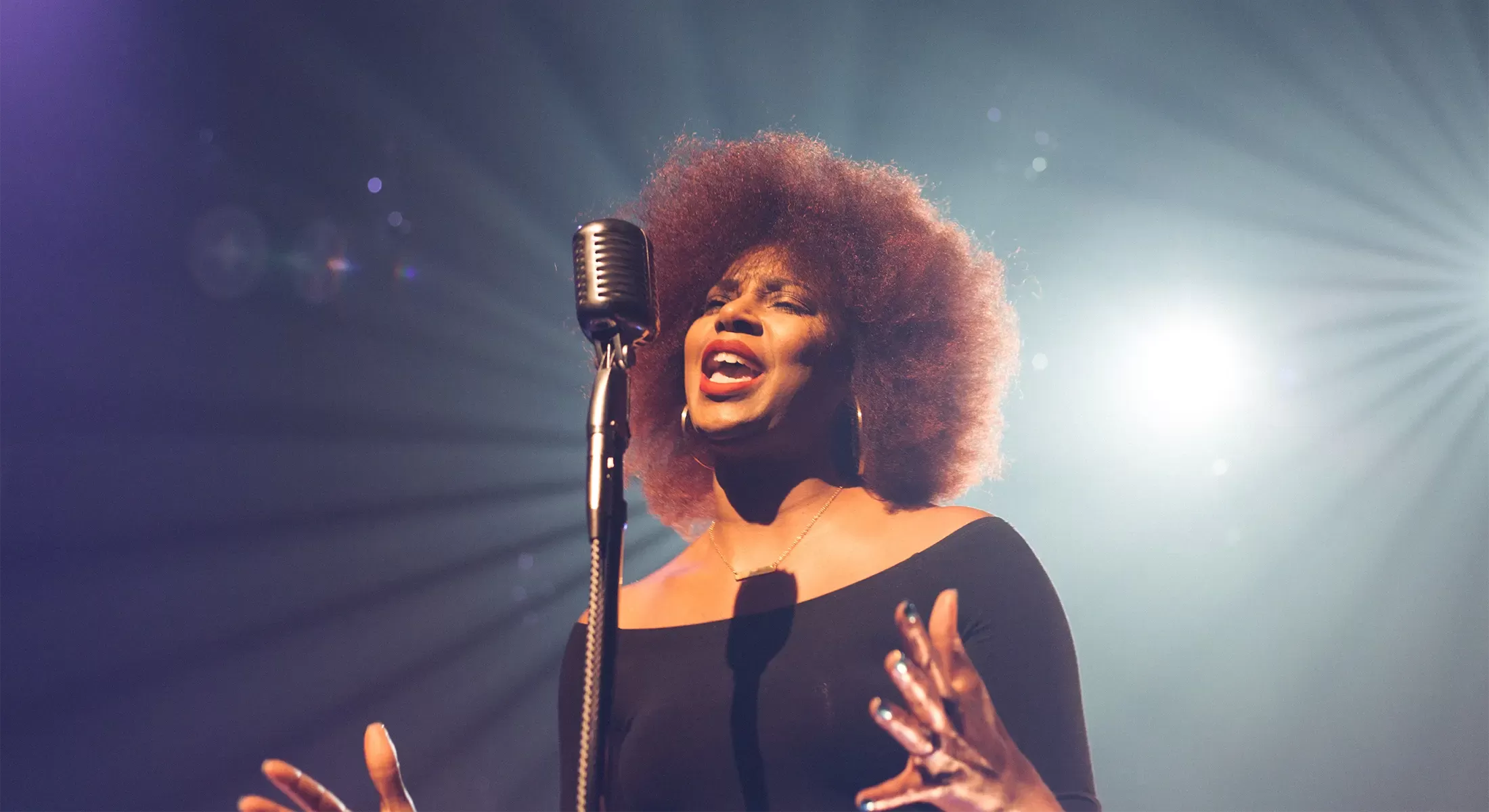
If you are attending a festival with multiple options, beginners often enjoy starting with sets that feel groove-based, vocal-led, or blues-influenced because the entry point is more immediate. This does not mean these sets are “simpler.” It means they often offer clearer emotional access. Once you are warmed up, you can try a more exploratory set later when your ears are already engaged.
Another great beginner strategy is to watch the audience energy. If a set is drawing focused attention and strong response, it may be a good entry point. Also consider venue format. Outdoor sets may feel more relaxed socially, which can help beginners ease into the weekend. Intimate sets can be more musically vivid, which helps beginners understand how improvisation works. Neither is objectively better. Your comfort level decides what is best for you.
If you want a full festival strategy that combines listening with pacing and schedule design, the most useful guide is make the most of your first set. It explains how to prioritize sets, avoid fatigue, and enjoy the weekend as a whole rather than treating each performance as an isolated moment.
What to Do When You Do Not Like a Set
One of the most liberating lessons for beginners is that you are allowed not to like everything. Jazz includes many styles. Some may feel too abstract for your taste. Some may feel too slow. Some may feel too intense. That does not mean jazz is not for you. It means that one slice of jazz is not for you in that moment.
If you do not like a set, treat it as information. Ask what you did not enjoy: the tempo, the sound, the lack of vocals, the density, the venue vibe, the style. That knowledge helps you choose better next sets and makes your weekend more personal and more enjoyable. Many jazz fans discovered their taste through exactly this process: hearing variety, noticing preference, and gradually finding the styles that feel like home.
Also remember that live music is about connection. Sometimes a set you would not enjoy on a recording becomes enjoyable live because the musicians are charismatic and the atmosphere is warm. Other times, the opposite happens. Stay curious, but also respect your own taste. That balance is the fastest path to becoming comfortable in jazz culture.
FAQ
Do you need musical knowledge to enjoy live jazz?
No. You need curiosity, a few simple listening habits, and willingness to follow the band’s interaction. Many people enjoy live jazz deeply without knowing any technical theory.
Is live jazz better than recorded jazz for beginners?
Often yes. Live jazz makes the interaction visible and the energy more immediate. You can see how musicians cue each other, build tension, and respond in real time, which helps beginners understand what is happening.
What should you focus on during your first performance?
Start with mood and groove, then follow the rhythm section, then follow one soloist at a time. Listen for repetition and variation, and notice how the band responds together.
Should beginners start with vocal jazz?
Many beginners enjoy vocal-led sets because the voice provides an immediate focal point. However, instrumental sets can be equally accessible when the groove is clear and the venue is comfortable.
Is it okay to clap after solos?
In many jazz settings, yes. If the room responds after a solo, it is usually fine to join. If the venue is extremely quiet and intimate, follow the general audience energy.
What if the improvisation feels too long?
Try focusing on one instrument and listening for repeated ideas that change over time. Improvisation often feels long only when you are not sure what to listen for. Once you hear the story, the time usually feels more meaningful.
How can beginners feel comfortable in small venues?
Arrive early, choose a comfortable spot, keep movement minimal during tunes, and remember that audiences are generally happy to welcome new listeners. Curiosity and basic respect are enough.