
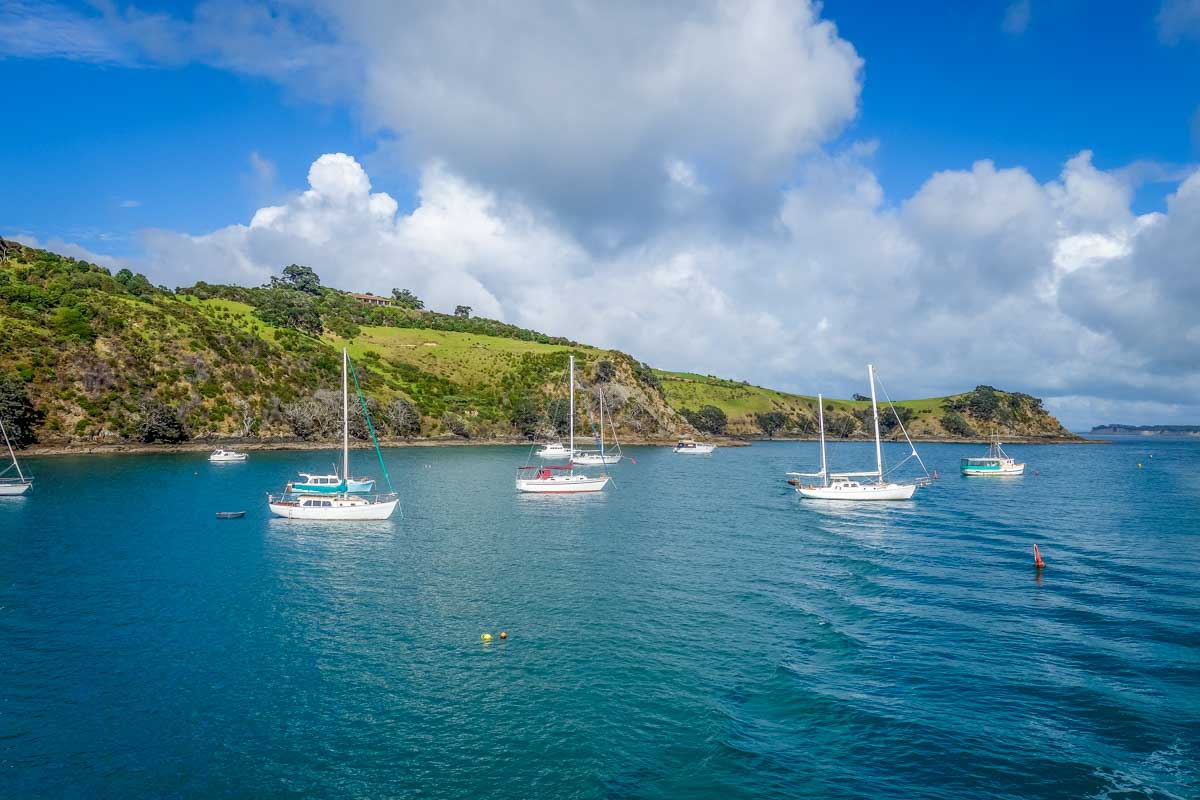
A great weekend on Waiheke Island is not built by trying to do everything. It is built by choosing a rhythm that fits the island. Waiheke rewards visitors who slow down just enough to let the place work on them: the ferry transition, the coastal air, the scenic movement between stops, and the way time feels different once you are off the mainland schedule. When you add live music into the mix, the weekend becomes even stronger because performances give the trip a natural structure. The key is to design the trip so music and island time support each other instead of competing for attention. That is exactly what this Waiheke Island weekend itinerary guide is for.
Many visitors plan weekends in a way that looks efficient on paper but feels stressful in practice. They underestimate movement time, overpack the schedule, and leave no buffer for weather changes or simple enjoyment. They also treat live music as a separate event rather than part of the trip’s rhythm. The result is often a weekend that feels like constant transitions instead of a weekend that feels like an experience. A better itinerary protects three things: your priorities, your comfort, and your breathing room.
This article gives you practical itinerary models you can adapt to your own situation. It includes a one-day plan for people short on time, a two-night plan for a proper festival-style weekend, and a set of principles for building in scenic time without missing the music you care about. It also covers transport timing, realistic buffers, how to avoid common mistakes, and how to pack your weekend so you are not carrying stress all day. The goal is not to tell you the “one correct route.” The goal is to help you create a weekend that feels calm, music-friendly, and memorable.
Even if you are not attending every set or building the whole trip around a festival, a music-aware itinerary still improves the experience. Live performance changes how you schedule your energy. It changes when you want to move, when you want to rest, and when you want the day to feel social versus quiet. The best Waiheke weekends feel balanced: enough activity to feel satisfying, enough calm to feel like an island escape.
What a Good Waiheke Weekend Should Balance
Before you choose stops, decide what balance you want. The most common mistake is planning a weekend that suits someone else’s pace instead of your own. Some visitors want a music-heavy weekend. Others want a scenic weekend with one or two musical highlights. Some want relaxed exploration and long meals. Others want movement and discovery. Waiheke can support all of these styles, but the itinerary must reflect the style you actually want.
A good weekend usually balances four elements. First, music: the performances or live-music moments that give the weekend cultural shape. Second, movement: enough exploration to feel you have experienced the island, but not so much that you spend the whole time in transit. Third, food and breaks: because your energy and mood depend on them. Fourth, breathing room: time that is not scheduled too tightly, which allows the trip to feel like a holiday rather than a checklist.
The easiest way to build this balance is to choose two or three anchor moments per day and let the rest of the day support them. An anchor moment can be a main set, a meal, a scenic walk, or a time window you want to keep free. Once your anchors are chosen, you can make smaller choices without stress because you know what must be protected.
If you want a single reference point that ties all of this together, start from the homepage for festival planning. That page explains how the entire blog is structured and which guides to use depending on whether your main concern is music, travel logistics, listening confidence, or comfort.
A One-Day Version for Visitors Short on Time
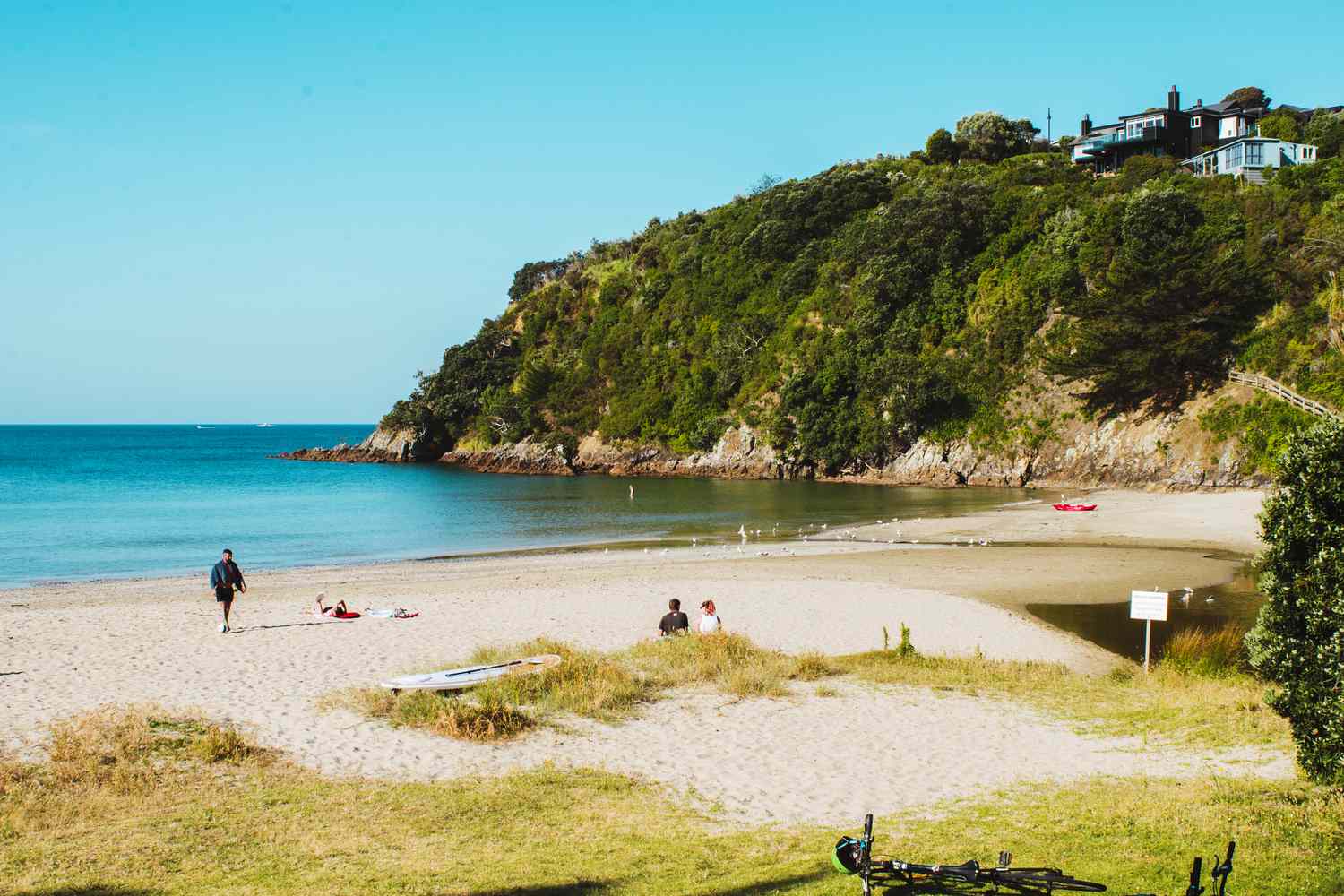
Some people can only do a day trip. That can still be excellent if you plan realistically. The biggest day-trip risk is turning the day into a race against transport timing. The goal is to create a day that includes one meaningful music moment and enough island atmosphere to feel worth the journey.
A strong one-day plan usually looks like this: arrive with enough time to settle, choose one main performance window or one main live-music experience, add one meal stop that fits the timing, and include one scenic pause that reminds you why you came to Waiheke in the first place. Then leave enough buffer to return smoothly without panic. This approach prevents the most common day-trip mistake: stacking too many stops that turn the day into constant movement.
If live music is the focus, do not try to attend multiple sets scattered widely across the island unless you are very confident about timing and transport. Choose one central venue zone and let the rest of the day fit around it. A day trip works best when it feels composed and intentional, not scattered.
For readers who want more context on what the island’s music atmosphere feels like outside of a single “headline” idea, read finding live music beyond headline sets. That guide explains how the island’s live-music culture shapes the feeling of an event day and why venue tone matters so much to the overall experience.
A final day-trip tip: accept that one day is a taste, not a full story. If you want deep island time and late-evening sets, an overnight stay is usually a better fit. But if you plan a day well, a one-day itinerary can still feel rich and satisfying.
A Two-Night Festival Weekend Plan
If you want a proper music weekend, two nights is often the sweet spot. It gives you enough time to enjoy performances without compressing everything into one day. It also protects your energy because you are not forced to return immediately after an evening set. Two nights creates a weekend that feels like an escape rather than a commute.
Arrival day: Keep it light. Arrive, settle, and choose one low-pressure music moment if available. The goal is to enter the weekend smoothly, not to start at maximum intensity. A relaxed arrival day makes the main music day much more enjoyable because you are not already tired.
Main day: Build around one or two key sets. Plan your movement and meals around those anchors. Leave buffer time between venues and avoid squeezing transitions too tightly. A main day should have a clear rhythm: music, break, music, break, with enough space to reset.
Departure day: Keep it flexible. Use it for a scenic pause, a calmer activity, and a smooth departure window. Do not plan a departure day that forces last-minute rushing. A calm departure protects the memory of the whole weekend.
If your trip is happening during a busy holiday period and you want advice on timing and demand, the most useful companion guide is timing your Easter island stay. That article explains how holiday weekends change transport pressure, booking reality, and pacing choices.
The two-night model works because it respects the island. Waiheke is more enjoyable when you are not constantly watching the clock. Overnight stays give you that freedom.
How to Build in Scenic Time Without Missing the Event
Many people come to Waiheke for scenery as much as music. The mistake is treating these as separate categories. Scenic time is not something you “add” only if there is extra space. Scenic time is part of what makes the weekend feel special. The key is to integrate scenery into the spaces between your music anchors rather than stacking it as a separate list.
For example, instead of planning a packed route that squeezes every scenic stop into one morning, choose one or two scenic moments that are naturally on the way between places. A short coastal pause, a viewpoint moment, or a calm walk can reset your energy and make you more ready to listen well at the next set.
Scenic time is also important for emotional pacing. Jazz and blues can be intense in a good way. Having a short break that is not noisy or crowded allows the music to “settle.” It helps you remember performances more clearly because you have space to process what you heard instead of instantly moving into the next thing.
Do not underestimate the value of doing less. A weekend with fewer but better-chosen stops often feels richer than a weekend with constant movement. Waiheke is an island that rewards presence. Build the weekend so you can actually feel where you are.
Transport and Timing: The Invisible Structure of Your Weekend
Transport timing shapes everything. Even if you are not thinking about it constantly, it is always in the background. When transport timing is good, the weekend feels relaxed. When transport timing is bad, the weekend feels like a race. The goal is to plan timing in a way that supports calm movement, not in a way that forces constant clock-checking.
A useful strategy is to decide in advance which parts of the day you want to protect. For example, if you have an evening set you really want to enjoy, plan your earlier movement so you are not arriving already stressed. If you have a morning arrival, build a first stop that is low pressure rather than something that requires perfect timing. Small scheduling choices create a big difference over a full weekend.
Also remember that waiting time and transitions are normal. Build buffer time into your plan so that small delays do not ruin the whole schedule. A good itinerary survives reality. A fragile itinerary collapses when one thing changes.
For the most practical logistics help—packing, timing, and stress reduction—read smart logistics for festival weekends. That guide covers the small decisions that make movement easier and reduce the hidden stress that often appears during busy event days.
How to Choose Venues Without Overcomplicating the Route
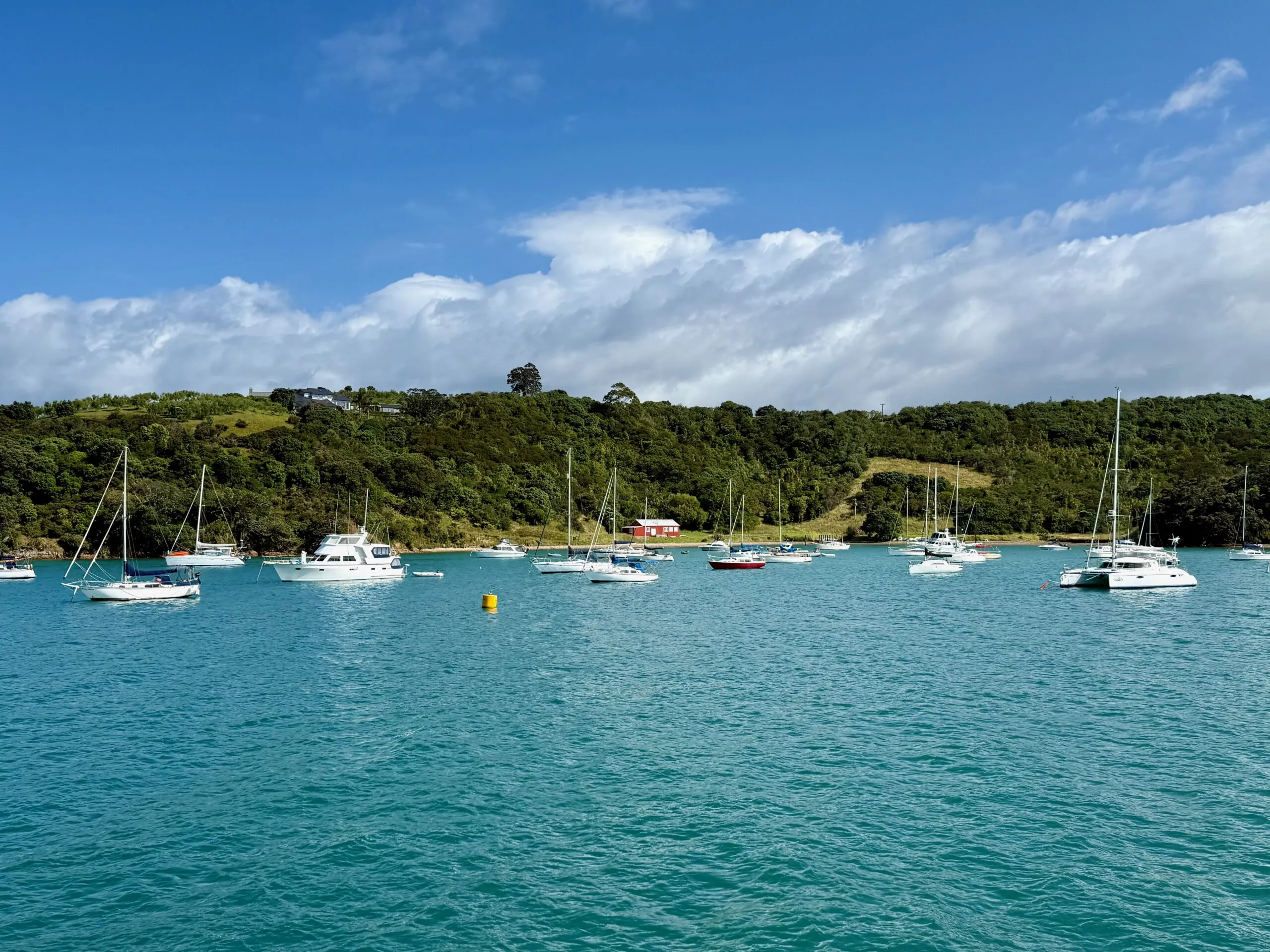
Visitors sometimes plan itineraries by picking venues first and then trying to force the route around them. A better approach is to choose your main priorities and then choose venues that fit those priorities without creating unnecessary travel friction. The best venues for you are not always the most famous ones. They are the ones that fit your weekend rhythm.
If you want an intimate listening experience, choose fewer venues and spend more time in each. If you want a more social atmosphere, choose a schedule that allows casual movement without constant rush. If you are with a group, choose venues that support group comfort rather than venues that demand perfect silence if your group is more talkative. There is no shame in choosing the environment that matches your style.
Also consider how venue tone changes at different times of day. A daytime set may be perfect for relaxed discovery, while an evening set may feel more immersive. Plan accordingly. If you stack several late sets with no rest, you may end up too tired to enjoy the most interesting performances.
The best itinerary is not the one with the most venues. It is the one where each venue choice feels like it belongs in the day naturally.
Pacing: How to Keep the Weekend Enjoyable from Start to Finish
Pacing is the difference between a weekend you remember fondly and a weekend that felt like constant effort. A simple pacing rule is to protect one calm window each day. That window can be a meal, a scenic pause, or a slow transition. Without it, the weekend can become too intense, especially if you are attending multiple sets.
Also protect your physical comfort. Shoes, layers, hydration, and carrying less all matter. If you are uncomfortable, your attention quality drops and the music becomes less enjoyable. A comfortable body listens better. That is why outfit strategy is part of itinerary strategy.
Finally, accept that you do not need to optimize everything. A festival weekend is not a productivity project. It is an experience. The best itineraries leave room for small surprises: a discovery set, a beautiful view, a conversation, a moment where you decide to stay longer because the music is excellent. Those moments often become the memory.
FAQ
Is one day enough for Waiheke during a busy festival weekend?
It can be enough for a focused plan with one main performance and realistic timing, but it is usually not enough for a relaxed experience that includes both deep island time and multiple sets. Overnight stays create more freedom.
Should your itinerary focus on one venue or several?
For beginners and for relaxed weekends, fewer venues often create a better experience. Several venues can work if movement time is realistic and you enjoy a more active schedule.
How much buffer time should you leave between plans?
Enough to handle queues, walking, small delays, and a calm transition. A good rule is to leave more buffer than you think you need, especially during holiday weekends.
How do you keep the weekend from feeling rushed?
Choose anchor sets, build the day around them, avoid stacking too many stops, and protect at least one calm window each day. The island feels best when you let the pace slow slightly.
What is the best structure for a two-night weekend?
Light arrival day, one main music day built around one or two key sets, and a flexible departure day. This structure protects energy and makes the weekend feel like an escape rather than a sprint.