
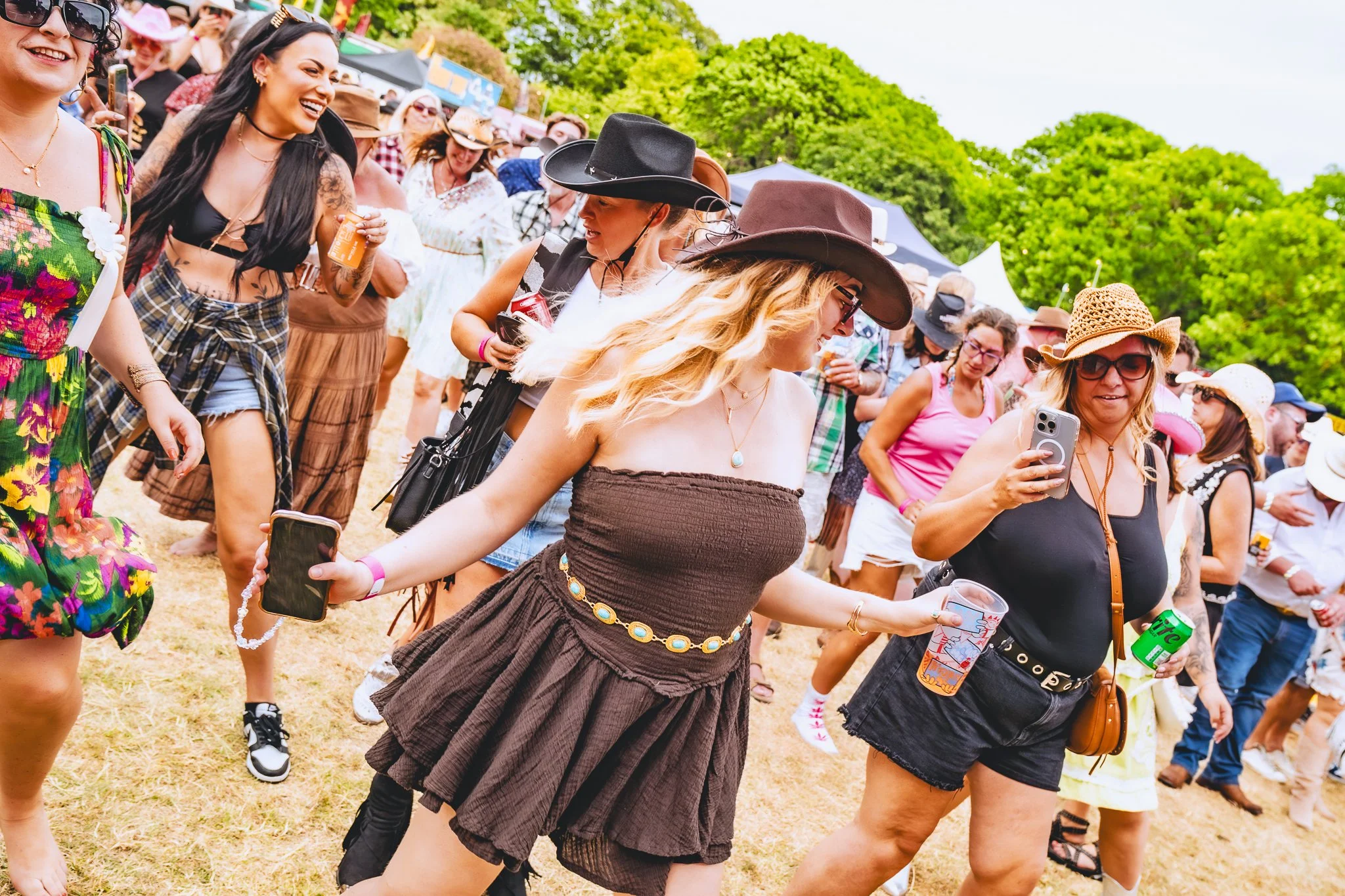
Most people think about outfits as a style decision, but at a long outdoor music event, clothing becomes something more practical: it shapes your comfort, your mood, and even how much attention you can give the performance. This is especially true at destination-style weekends where you are moving between venues, walking, standing for long periods, dealing with coastal wind, and shifting from daytime warmth into cooler evening air. That is why knowing what to wear to an outdoor music festival is not about fashion trends alone. It is about building a flexible setup that keeps you comfortable, prepared, and relaxed from the first set to the last.
Outdoor festivals often create the same predictable problems for first-time visitors. People dress for the weather they hope for instead of the weather that actually happens. They prioritize a look that feels good for ten minutes but becomes annoying after four hours of walking or standing. They bring bags that are too heavy, shoes that are too delicate, or layers that do not make sense once the wind picks up. Then they spend the day distracted by discomfort instead of enjoying the music and the atmosphere they came for.
This guide is built for real festival days: daytime sunshine, wind off the water, possible light rain, cooler evenings, queues, long stretches on your feet, and the need to carry a few essentials without feeling overloaded. It focuses on outfit strategy rather than rigid rules. You will learn how to choose footwear, layers, accessories, and bags intelligently; how to dress for a coastal environment; how to plan day-to-night transitions; and which common mistakes ruin comfort and energy.
Style still matters. Nobody wants to feel awkward or unconfident. But at a live music weekend, style works best when it supports function. The best festival outfits are usually simple, adaptable, and built around comfort. When you feel physically comfortable, the music becomes more enjoyable. Your mood improves, your energy lasts longer, and the whole event feels easier. This is the hidden truth: better clothing decisions often create a better festival experience.
Why Festival Clothing Should Start with Comfort
Outdoor festival comfort begins with a basic reality: you will almost certainly spend more time standing, walking, and waiting than you expect. Even if you have seats for part of the day, you still move between venues, stand in lines, wait for sets to begin, and spend long periods on your feet. That means clothing that pinches, shoes that hurt, or layers that trap heat become more than minor annoyances. They become constant distractions.
Comfort also affects emotional energy. When you are slightly too cold, too hot, or too tired, you become less patient and less able to enjoy subtle live performance. Jazz and blues, in particular, reward attention. If you are constantly adjusting your outfit or worrying about your feet, you are less able to listen deeply. Comfort is not separate from enjoyment. It supports it directly.
The other reason comfort matters is pacing. A festival weekend is not one short event. It is a full day, often multiple days. The best strategy is to protect your body so you can enjoy the music later in the day as well, not only in the first hour. This is why experienced festival-goers often dress more practically than first-timers. They are not less stylish. They are simply planning for reality.
If you want the broader context of how comfort fits into the overall weekend experience, return to the return to the Waiheke music guide. That homepage shows how planning, listening habits, etiquette, travel logistics, and outfit decisions all work together to create a smoother festival weekend.
How Coastal Weather Changes What You Should Pack
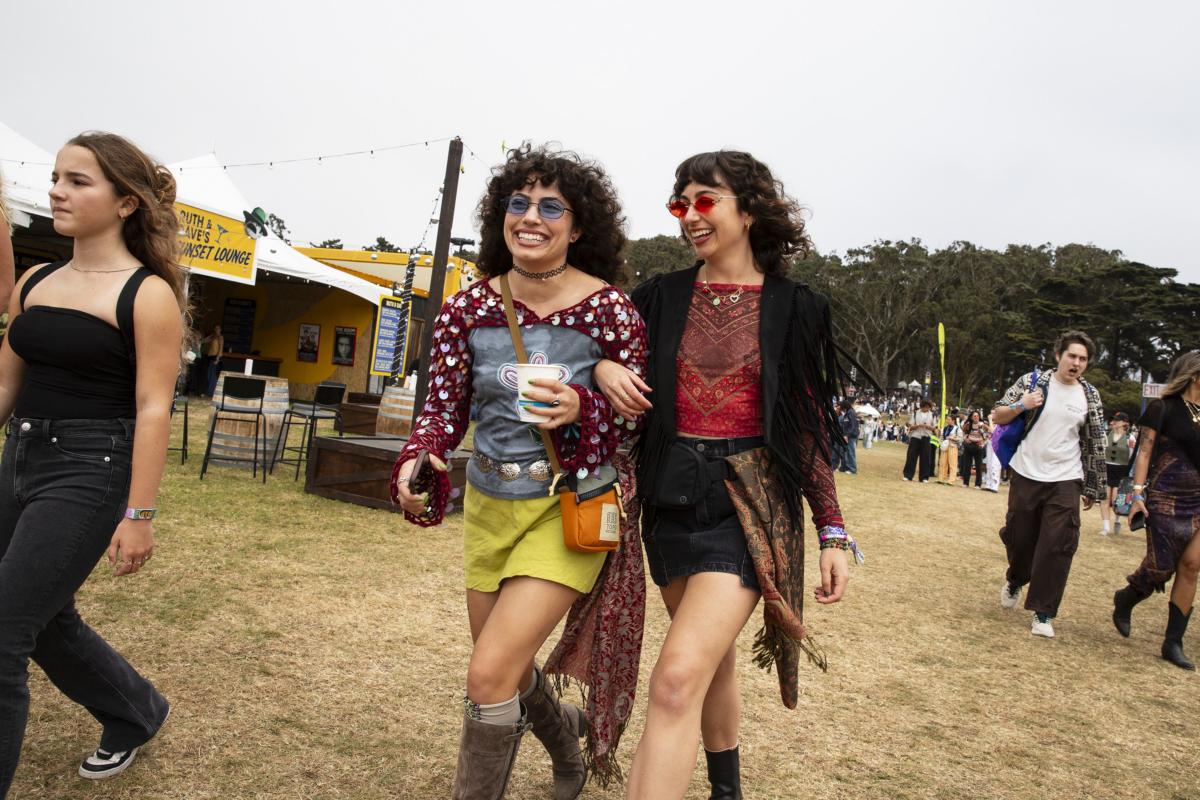
Coastal weather can change quickly. Even on a sunny day, wind can make temperatures feel cooler than expected. Light rain can appear and disappear. Evening air can drop fast once the sun goes down. The mistake many people make is dressing as if the day will stay consistent. In reality, outdoor festivals often require a layering strategy, especially during a holiday weekend when you want to be out for hours.
The simplest and most effective approach is to plan for three conditions: sun, wind, and cooler evening air. If you dress for those three, you are usually covered even if the exact weather forecast changes slightly. Sun protection matters because long outdoor time can burn you quickly, even when the temperature feels comfortable. Wind protection matters because wind is the main reason people suddenly feel cold at the end of a long day. Evening protection matters because outdoor venues can feel dramatically cooler later, even if the daytime felt warm.
Layering is the solution. A light outer layer that blocks wind, a mid-layer you can add or remove easily, and a base that stays comfortable during movement is usually better than one heavy piece or one perfect daytime outfit that fails at night. The goal is not to carry a suitcase. The goal is to choose layers that fold small and work together.
For seasonal planning context—especially if your festival weekend happens around Easter—read packing for Easter on the island. That guide explains how holiday timing changes transport, crowd flow, and comfort decisions, which can affect what you should bring and how you should plan the day.
Footwear: The Most Important Decision You Will Make
If you do nothing else from this article, choose good footwear. Shoes can make or break the entire day. Many festival discomfort stories begin with the same sentence: “I thought these would be fine.” Then hours of walking, standing, uneven ground, and waiting turns that assumption into pain.
The right festival shoes are not necessarily expensive or athletic-looking. They are simply stable, broken-in, and suitable for long wear. If your shoes are new, stiff, or delicate, you are gambling with your comfort. Even minor foot pain becomes a big problem after several hours. That pain also affects mood and energy. It makes you less willing to explore venues, less willing to stay for longer sets, and more focused on leaving early.
In practical terms, most people do best with comfortable sneakers, supportive casual shoes, or sturdy boots depending on the setting and weather. If rain is possible, water-resistant options are helpful. If the day is sunny, breathable options matter. If you will be on uneven ground, stable soles matter. Avoid anything that is “perfect for photos but painful in practice.” Your future self will thank you.
Also consider socks. It sounds trivial, but good socks reduce friction and improve comfort dramatically. If you are planning a long day, prioritize simple supportive details like this. Festival comfort is built from small decisions that add up.
Layers That Work: A Simple Festival Clothing Formula
For most outdoor music days, a three-layer logic is enough: base, mid, and outer. The base layer should stay comfortable during movement. It should not trap heat too aggressively, and it should not feel irritating after hours. The mid-layer is your temperature adjuster. It can be a light sweater, a thin hoodie, or another piece that adds warmth without bulk. The outer layer is your protection: wind, light rain, or sudden cool air. A light jacket that packs small is often the best option.
The goal is flexibility. You want to be able to add or remove layers without drama. You want pieces that do not require a full outfit change to work. You also want a setup that still looks good while being functional. This is why neutrals and simple combinations work well at festivals. They stay cohesive even when you remove or add layers.
For people who dislike carrying things, consider wearing your outer layer in the morning and tying it around your waist later, or choosing a jacket that folds into a bag easily. The worst layering mistake is bringing a bulky coat that becomes annoying as soon as the sun appears. A lighter protective layer is usually more useful because it gives you options.
Also think about your personal temperature habits. Some people run hot and need lighter mid-layers. Others run cold and need stronger wind protection. The best festival outfit is not based on the average person. It is based on you.
Bags and Essentials: Carry Less, Carry Smarter
Overpacking ruins festival comfort faster than most people realize. A heavy bag makes walking less enjoyable, makes standing more tiring, and makes transitions between venues more annoying. It also creates constant mental friction: where do I put this, what do I do with that, why did I bring this? A smarter approach is to pack only what actually improves your day.
A useful rule is to carry essentials that solve real problems: a light layer if needed, a phone charger or battery, water if the venue allows it, a small sunscreen, lip balm, tissues, and whatever minimal personal items you require. Many people also like a small snack, especially during long gaps. If you will be out for a full day, these small items can improve comfort without turning your bag into a burden.
Bag choice matters too. Crossbody bags or small backpacks often work best because they distribute weight better and keep hands free. A bag that sits awkwardly or bounces while you walk becomes annoying quickly. Also consider security: choose a bag that closes well and stays close to your body in crowded areas.
If you are building a travel plan and want a dedicated guide to logistics and packing strategy beyond clothing, the most useful follow-up is travel-light festival checklist. That article covers how to pack for movement, ferry timing, event schedules, and the small decisions that reduce stress during a music weekend.
Day-to-Night Outfit Planning for Festival Weekends
One of the most common outdoor festival problems is day-to-night temperature change. People dress perfectly for warm daytime sun and then feel cold and uncomfortable later when the air cools. The solution is not to carry a wardrobe. The solution is to plan one simple change that shifts the outfit into evening comfort.
A day-to-night plan can be as simple as this: a base outfit that feels comfortable and looks good during the day, plus one layer that changes the whole feel. For example, a light jacket or warmer mid-layer can make the same daytime outfit work at night. A scarf or warm accessory can also help without taking much space. The key is to think ahead rather than hoping you will “just be fine.”
It also helps to think about venue tone. Some daytime sets are casual and social, while evening sets can feel slightly more polished depending on the venue. That does not mean you need formalwear. It means you may want your outfit to feel slightly more “evening-ready” without losing comfort. Darker tones, cleaner lines, and a simple jacket can shift the mood easily.
If you want a weekend planning perspective that includes outfit strategy as part of a larger itinerary, read day-to-night island outfit planning. That guide helps visitors build a schedule that balances music, movement, and comfort across a full weekend instead of treating each day like an isolated event.
Accessories That Actually Help
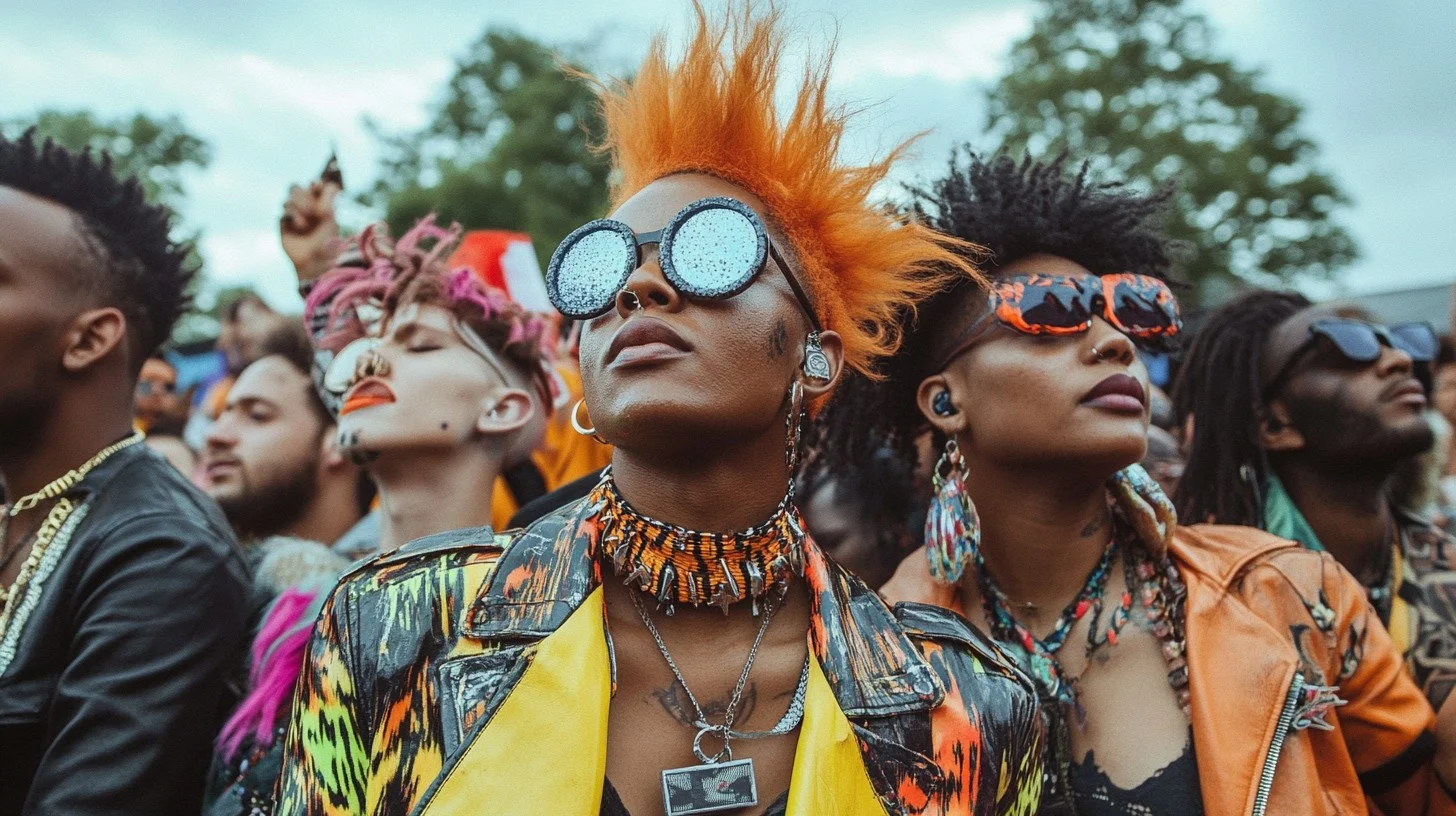
Accessories are often treated as decoration, but at an outdoor festival, the best accessories are functional. Sunglasses protect eyes and reduce fatigue. A hat protects from sun and wind. Sunscreen prevents the slow burn that ruins your evening. A small reusable water bottle can make long days far easier if venues allow it. These are not glamorous items, but they have a real impact on how you feel.
Phone management is another practical issue. People often use phones more than expected during festivals: messages, directions, schedule checks, photos. A low battery becomes a problem quickly. A small power bank can be more valuable than any fashion item because it keeps the day smooth. If you plan to take photos, consider that brightness and constant use drain batteries quickly.
Also consider ear comfort. Some venues are loud enough that ear protection is useful, especially if you plan to attend multiple sets. This is not only for people who dislike volume. It is for people who want to protect their ears and reduce fatigue. A long day of loud sound can drain energy in subtle ways.
The best accessories are the ones you forget about because they quietly prevent problems. That is what you want: a day where nothing becomes annoying enough to steal attention from the music.
Common Style Mistakes at Outdoor Music Events
The most common mistake is choosing looks over function. A stylish outfit that is uncomfortable becomes a bad outfit after an hour. Tight shoes, heavy fabrics, delicate bags, and fragile clothing often create stress in environments where movement, weather, and long hours are unavoidable.
Another mistake is ignoring wind. Many people dress for temperature and forget that wind changes everything. A simple windproof layer can be the difference between a comfortable evening set and leaving early because you are cold. Coastal settings make this especially important.
Overpacking is another classic error. People bring items “just in case” until their bag becomes heavy and annoying. This lowers enjoyment and energy. It also makes transitions between venues less fun. Carry less, carry smarter.
Finally, some people ignore the fact that festivals are long. An outfit that works for a short outing may not work for a ten-hour day. The best festival outfits are built for endurance. If your clothing choices support endurance, you will enjoy the music more and remember the day more positively.
FAQ
Are outdoor festival outfits supposed to be casual?
Most outdoor festival outfits are casual because comfort and movement matter. You can still look sharp, but practical choices—good shoes, layers, and functional bags—usually matter more than formal style.
Should you bring an extra layer even in warm weather?
Yes, especially in coastal environments. Evening air and wind can cool quickly, and a light outer layer often makes the difference between staying comfortable and leaving early.
What bag works best for a music day out?
A small crossbody or a compact backpack usually works best because it keeps your hands free and distributes weight well. Choose something that closes securely and stays comfortable while walking.
What shoes are best for a full festival day?
Supportive, broken-in shoes are best. Sneakers and sturdy casual shoes often work well. Avoid new shoes, delicate soles, or anything that becomes painful with extended standing.
How do you dress for day-to-night transitions?
Use layers. Build a daytime base outfit and carry one protective piece—like a light jacket or warmer mid-layer—that makes the same outfit comfortable at night.
Is it better to dress warmer or lighter?
It is better to dress in layers so you can adjust. Overheating or getting cold both reduce enjoyment, so flexible clothing is usually the best solution.
What is the biggest clothing mistake at outdoor festivals?
Bad shoes are usually the biggest mistake because foot discomfort grows over time and affects mood, energy, and willingness to stay for performances.